

25/07/2026 16:33 PM
ASMARA’S WATER CRISIS:
Natural Scarcity or a Failure of Government Policy?
by Dr Thomas Araya
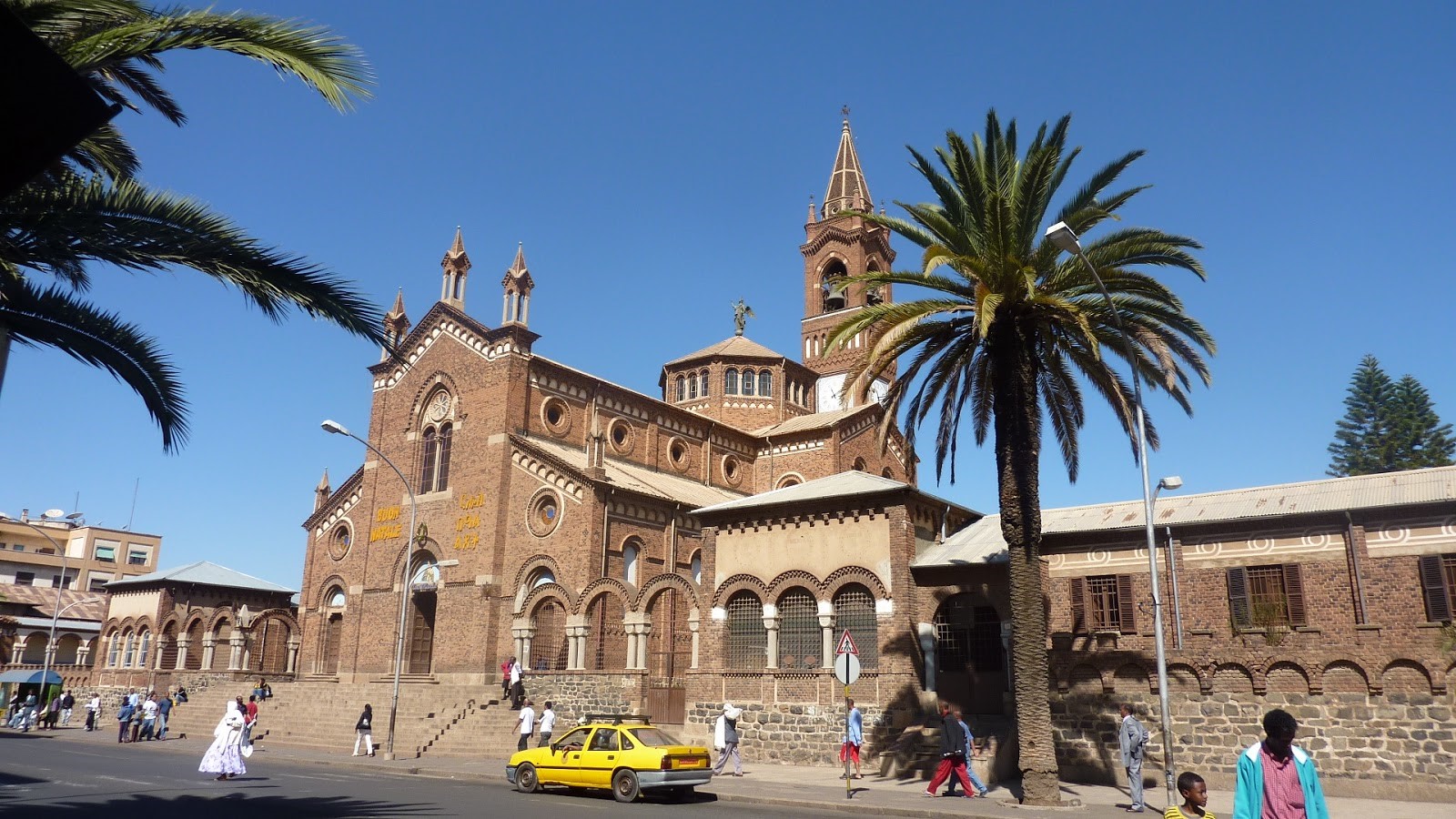
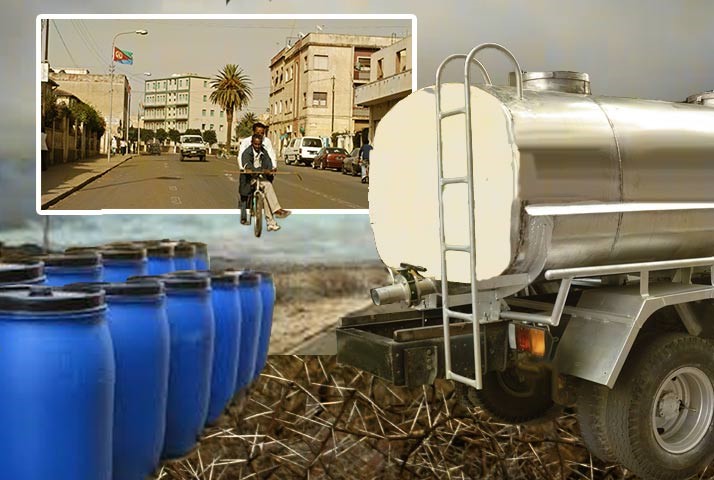
Asmara, the capital of Eritrea, has experienced severe and recurring water shortages for many years. Residents often endure long interruptions in household water service, depending on privately delivered water, or travel significant distances to collect water from communal sources.
The government has frequently attributed Eritrea’s water problems to drought, limited rainfall and the country’s difficult climate. However, technical studies and earlier infrastructure plans suggest that Asmara’s crisis cannot be explained by natural water scarcity alone.
The central issue is not simply whether water exists in nearby dams and reservoirs. It is whether that water can be properly pumped, treated, stored and distributed to the city’s population.
A Water System Studied but Not Rehabilitated
A major technical study of Asmara’s water-supply system was undertaken during the mid-2000s with international financial and technical support. The study reportedly identified serious weaknesses in the city’s water infrastructure and proposed a comprehensive program to rehabilitate and expand the system.
The recommended work included replacing aging pumps and transmission pipes, improving treatment plants, rehabilitating storage reservoirs, expanding the urban distribution network and installing water meters.
Detailed technical designs were later prepared for priority projects. However, the proposed construction and rehabilitation work was not fully implemented.
This raises an important question: why did the Eritrean government fail to carry out a technically prepared project intended to address one of the most basic needs of the capital’s population?
Water in the Dams Does Not Automatically Reach Homes
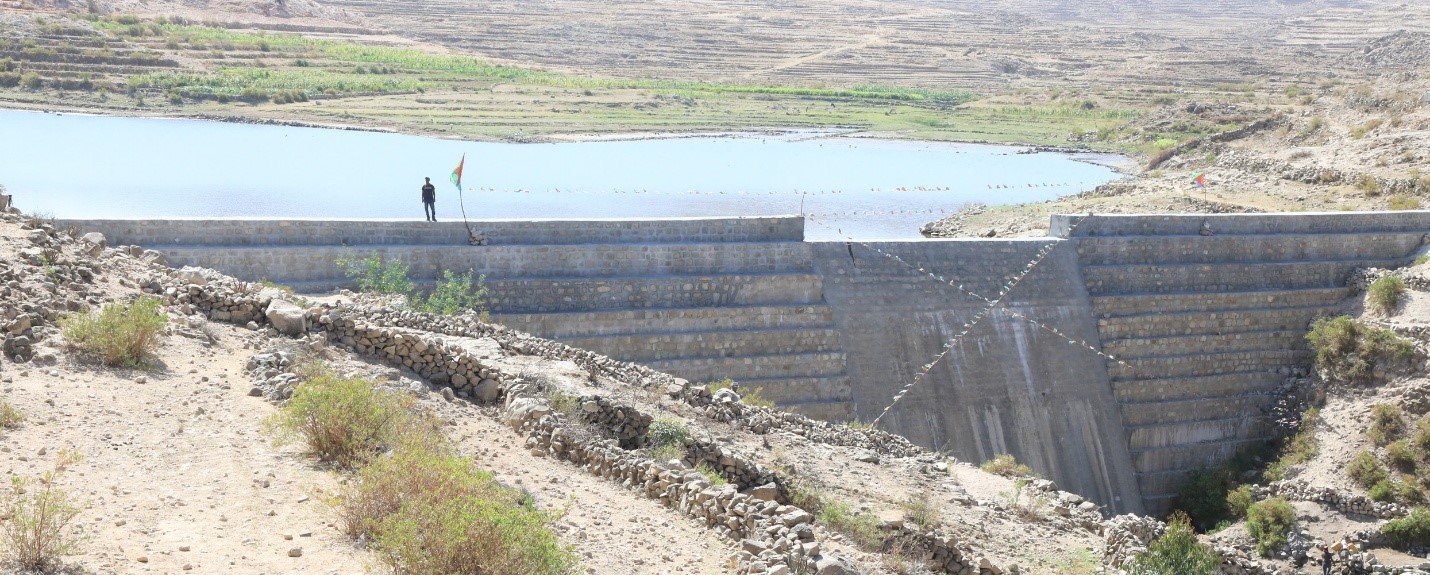
Some residents and observers argue that Eritrea’s dams contain sufficient water and that the shortage in Asmara is therefore artificial. This claim requires an important qualification.
Even when reservoirs contain water, the city still needs functioning pumps, electricity, treatment systems, storage facilities and pipelines. If those systems are damaged, poorly maintained or insufficient, water may remain in reservoirs without reaching households.
Later technical assessments found that Asmara’s water system operated far below the city’s estimated demand. The assessments identified deteriorated facilities, inadequate treatment and distribution capacity and major losses within the network.
A significant proportion of treated or supplied water was reportedly being lost through leaks, unrecorded consumption, defective meters and poor system management. These findings suggest that the crisis was not merely the result of drought but also of long-term infrastructure and administrative failure.
International Assistance and Missed Opportunities
International institutions and development partners expressed interest in supporting improvements to Asmara’s water system. Feasibility studies, project designs and possible grant assistance were discussed over several years.
However, the projects did not proceed as originally envisioned.
Later development assessments raised concerns about the sustainability of the proposed work, including the reliability of water sources, electricity shortages, institutional capacity and the government’s ability to maintain the infrastructure after construction.
These concerns did not eliminate the government’s responsibility. Instead, they demonstrated that the crisis involved broader failures in planning, maintenance, energy supply and public administration.
The government was aware of the system’s weaknesses. Technical solutions had been identified. Yet the necessary improvements were delayed or abandoned while residents continued to experience severe water shortages.
Was Shortage Deliberately Created?
Some Eritreans believe the water crisis is being deliberately used to exhaust, control or punish the population of Asmara. They argue that the government has knowingly ignored available solutions and has allowed citizens to spend hours searching for water instead of focusing on work, education or civic life.
There is currently no publicly available documentary evidence proving that the Eritrean government issued a formal policy to withhold water from Asmara as a method of political punishment.
Proving deliberate sabotage would require evidence such as internal government instructions, intentional diversion of water, discriminatory allocation records or official decisions showing that authorities sought to deprive residents despite having the ability to provide service.
Nevertheless, the absence of proof of a deliberate sabotage policy does not remove government responsibility.
A government that knows about a public emergency, possesses technical studies, receives proposals for international support and still fails over many years to implement meaningful solutions may be accused of deliberate neglect.
The difference is important. Deliberate sabotage means that the government intended to create suffering. Deliberate neglect means that officials understood the suffering, had opportunities to reduce it and repeatedly chose not to make the problem a national priority.
The available evidence more clearly supports the second conclusion.
A Crisis of Governance and Accountability
Asmara’s water crisis is also a crisis of transparency.
The Eritrean government does not regularly publish reliable information about reservoir levels, water production, distribution schedules, infrastructure budgets, leakage rates or project implementation.
There is no independent press inside the country that can investigate why certain neighborhoods receive more reliable service than others. There is no freely elected municipal authority that residents can hold accountable for failures in water distribution. Independent experts cannot easily inspect the system, examine government spending or publicly challenge official explanations.
As a result, citizens are left without clear answers.
They do not know how much water is available, how it is allocated, whether military and government institutions receive preferential access, why previously studied projects were not implemented or how public resources intended for water infrastructure were used.
This secrecy contributes to public suspicion that the shortage may serve a political purpose, even when direct evidence of intentional sabotage is unavailable.
A Preventable and Man-Made Crisis
Drought and climate conditions undoubtedly affect Eritrea’s water supply. However, the prolonged suffering of Asmara’s residents cannot be blamed entirely on nature.
The crisis has been intensified by aging infrastructure, inadequate maintenance, electricity shortages, poor planning, limited technical capacity, lack of transparency and the government’s failure to implement previously identified solutions.
The most defensible conclusion is that Asmara’s water crisis is substantially man-made.
Water may exist in reservoirs, but government failures in treatment, pumping, maintenance and distribution prevent that water from reaching the population reliably.
Whether the crisis was intentionally designed to punish or control residents remains unproven. What is clear is that the government knew about the problem, had access to technical recommendations and international assistance, and failed for many years to deliver a dependable water system.
For the residents of Asmara, the distinction between sabotage and deliberate neglect may offer little comfort. In either case, they continue to live without consistent access to one of the most basic human necessities.
Questions Requiring Independent Investigation
A credible investigation should determine:
How much water is currently stored in the dams and reservoirs serving Asmara?
How much water is pumped, treated and distributed each day?
What percentage is lost through leakage or system failure?
Why were the mid-2000s rehabilitation plans not implemented?
Was international financing formally offered, and if so, why was it not accepted or used?
How much public funding has been allocated to the water system since the original studies?
Do government, military or privileged residential areas receive priority access?
Who is responsible for the maintenance and operation of Asmara’s water system?
Until the Eritrean government publishes this information and permits independent scrutiny, residents will continue to question whether the crisis is the consequence of incapacity, neglect, political calculation or a combination of all three.
References:
African Development Bank. (2016). Eritrea Country Strategy Paper 2017–2021. Abidjan, Côte d’Ivoire: African Development Bank.
* Supports discussion of Eritrea’s infrastructure limitations, institutional capacity, and water-sector challenges.
European Union. (2008). Technical Assistance for the Asmara Water Distribution Study. Brussels: European Commission.
* Relevant to the mid-2000s technical studies and rehabilitation planning for Asmara’s water system.
Government of the State of Eritrea. (2005). Water Supply Master Plan for Greater Asmara (Technical Study).
* Primary source documenting proposed rehabilitation, expansion of pumping stations, pipelines, reservoirs, and treatment facilities.
Government of the State of Eritrea, Ministry of Land, Water and Environment. (2005). Integrated Water Resources Management Strategy.
* Background on Eritrea’s national water planning.
United Nations Development Programme. (2018). Sustainable Development Goals Country Assessment: Eritrea.
* Discusses SDG 6 (Clean Water and Sanitation).
World Bank. (2007). Project Appraisal Document: Eritrea Water Supply and Sanitation Rehabilitation.
* Discusses rehabilitation priorities, engineering recommendations, and implementation considerations.
by Dr Thomas Araya
10 ዓበይቲ ዲጋታት ኤርትራ // 10 Biggest Dams in Eritrea
See also more articles by Dr Thomas Araya
ካልኦት ብ'ዶ/ር ቶማስ ኣርኣያ ዝተጻሕፉ ጽሑፋትን ዝተዋህቡ ሰሚናራትን፡ ኣብ ታሕቲ ተወከሱ:-
 ብተወሳኺ፡ ነቲ ኣብ ዩቱብ ቻነል ዝወጽእ ሓበሬታ፡ ንመትከላት ማሕበራዊ መትከላት ዩቱብ (YouTube Community Guidelines)፡ እናኽበረ የውጽእ። ስኒትና፡ ብዝከኣሎ መጠን፡ ነዚ መትከላት'ዚን ናይ ሃገርና ኤርትራን ህዝባን ክዉንነትን ምርኩስ ገይሩ፡ ኣብ መርበብ ሓበሬታኡ ስኒትና (www.snitna.com) ክውጽእ ዝግብኦ ሓበሬታ እናመመየ ከውጽእ ይህቅንን ይጽዕርን። እዚ ስራሕዚ ምሉእ ዓወት ንክህልዎ ድማ ብዓቢኡ፡ ግቡእ ኣጠቓቕማ ተሳተፍቲን ምትሕብባርን ምስዝህሉ ኢዩ። ስለዚ፡ ነዚ መትከላት ዚ ንምኽባር ንኹሉ ተገልጋላይ'ዚ መርበብዚ ንጽውዕ። ዝኾነ ሃሳዪ ተርእዮታት ምስዘጋጥሙ፡ ቅሬታኹም ወይ ርእይቶኹም ብኢመይል ኣድራሻና ኣቢልኩም ክትልእኩልና ንላቦ።
 See also Related / ምስዚ ዝተኣሳሰር ሓበሬታ፡-
- Snitna YouTube - ስኒትና ዩቱብ ቻነል።
- Snitna Network and Sinit Seminars Directory. ብ`ስኒትና ከምኡ`ውን ስኒት ዝተኻየዱ ሰሚናራት።
- Snitna FaceBook - ስኒትና ፌስቡክ።
- Sinit YouTube - ስኒት ዩቱብ ቻነል።
- ዘተ ንሓባራዊ ንቕሓት
Dialogue for Common Awareness
مجموعة الحوار للوعي المشترك - ሌላ ምስ
ፖለቲካዊ ሰልፍታትን ህዝባዊ ምንቅስቓሳትን ኤርትራ፡
Eritrean Political parties and Civic movements.s
مقدمة في الأحزاب السياسية والحركات المدنية الإريترية - BUILDING DEMOCRACY IN ERITREA - ህንጸት ዲሞክራሲ ኣብ ኤርትራ بناء الديمقراطية في إريتريا
- ሕግን ሕብረተሰብን - Law and Society.
- ኣስተምህሮ፡ መስርሕ ምንዳፍ ቅዋም ኤርትራ - The Eritrean Constitution Making Process
Seminar by Dr Bereket Habte selassie. ኣስተምህሮ፡ ብ`ዶር. በረኸት ሃብተስላሰ። - ሲምፖዝዩም ኤርትራ (Eri-Platform: 2018 - 2020)
- ዋዕላ ህንጸት ዲሞክራሲ ኣብ ኤርትራ Building Democracy in Eritrea Conference (Eritrea Focus: 2019 - 2020)
- Enough is enough! ይኣክል ምልኪ! ማዕበል ድምጺ ህዝቢ لقد طفح الكيل
- 1993, Eritrean independence referendum Results
ታሪኻዊ ውጽኢት ረፈረንዱም ኤርትራ 1993. - ሃገራዊ ቻርተር ኤርትራ - ኣብ 3ይ ጉባኤ ህ.ግ.ሓ.ኤ: ዝጸደቐ (ናቕፋ 10 - 16 ለካቲት 1994)።
- PFDJ NATIONAL CHARTER Adopted by the 3rd Congress of the EPLF/PFDJ Naqfa, February 10-16, 1994.
- ንዝኽሪ ግዳያት ዲክታቶሪያዊ ምሕደራ ኤርትራ። In memory of Victims of Dictatorial Administration in Eritrea.
- G-15:- ቅልዕቲ ወረቐት ናብ ህዝቢ ኤርትራ፡ ኣገደስቲ እዋናውያን ጉዳያት፡ (ኣስመራ፡ ነሓሰ 3፡ 2001)
- G-15:-Open Letter To The People of Eritrea (Asmara, August 3, 2001)
- G-15:-ቅሉዕ መልእኽቲ ናብ ኩሎም ኣባላት ህግደፍ
- G-15:-Open Letter to All PFDJ Members (Audio) ቅሉዕ መልእኽቲ ናብ ኩሎም ኣባላት ህግደፍ (ብድምጺ)
- G-15:-Open Letter to All PFDJ Members
- GI: ህጹጽ ጻውዒት ንኹሎም ኣብ መላእ ኵርናዓት ዓለም ዝርከቡ ኤርትራውያን። An Urgent Call to All Eritreans Worldwide. المبادرة العالمية لتمكين الحركة الشعبية الاريترية
- ድምጽና (Our Voice)
- መደብ ንጋባእ ENGAGE ERITREA!
- Advice for All Eritreans ምኽሪ ንኹሎም ኤርትራውያን
- UN Human Rights Council - Human Rights in Eritrea (Website) / ናይ ውሕሃ ቤትምኽሪ ሰብኣዊ መሰላት - ኩነታት ሰብኣዊ መሰላት ኣብ ኤርትራ፡ (Website)
- UN Human Rights Council - Human Rights in Eritrea (YouTube) / ናይ ውሕሃ ቤትምኽሪ ሰብኣዊ መሰላት - ኩነታት ሰብኣዊ መሰላት ኣብ ኤርትራ፡ (YouTube)
- Human Rights in Eritrea / ኩነታት ሰብኣዊ መሰላት ኣብ ኤርትራ፡
- UN - Commission of inquiry on Eritrea / ናይ ውሕሃ መርማሪት ኮሚሽን ሰብኣዊ መሰላት ኤርትራ፡
- Mike Smith / ሚስተር ማይክ ስሚዝ፡ ኣቦ ወንበር መርማሪት ኮሚሽን ሰብኣዊ መሰላት ኤርትራ፡
- Also see: "UN - COI on Eritrea / ናይ ውሕሃ መርማሪት ኮሚሽን ሰብኣዊ መሰላት ኤርትራ፡
- UN COMMISSION OF INQUIRY ERITREA (COI-ERITREA) And POPULAR RESPONSES
- ጸብጻብ መርማሪት ኮሚሽን ሰብኣዊ መሰላት ኤርትራ፡ ህዝባዊ ግብረ-መልሲን
- ጸብጻብ መርማሪት ኮምሽን ኵነታት ሰብኣዊ መሰላት ኣብ ኤርትራ – ዘይወግዓዊ ትርጉም (ብትግርኛ)