

14/08/2026 19:57 PM
FROM 2018 TO ADDIS ABABA:
Eritrean Sovereignty Cannot Be Bargained Away
by Dr Thomas Araya
A political commentary on sovereignty, Red Sea access, and the responsibility of Eritrean political movements
Eritreans should judge political leaders not merely by the slogans they use, the colors they wear, or the government they oppose, but by one fundamental standard: Do they unequivocally defend Eritrea’s sovereignty, territorial integrity, and the sacrifices that created the independent Eritrean state?
Measured by that standard, an uncomfortable comparison must be made between President Isaias Afwerki’s conduct during the 2018 rapprochement with Ethiopian Prime Minister Abiy Ahmed and the positions now associated with some figures operating under the banner of the Eritrean Blue Revolution in Addis Ababa.
The personalities are different. Their political objectives may be different. One governs Eritrea; the others seek to remove him. Yet if either side treats Eritrean sovereignty as something that can be compromised in exchange for political partnership with Ethiopia, the consequence for the nation may ultimately be the same.
2018: When Peace Began to Blur the Meaning of Sovereignty
The reconciliation between Eritrea and Ethiopia in July 2018 was initially welcomed by millions of people exhausted by two decades of hostility. Families were reunited, telephone connections reopened, flights resumed, and the governments formally ended the state of war. The two countries also discussed economic cooperation and the use and development of Eritrean ports (Time, 2018).
Peace between Eritrea and Ethiopia was necessary. Friendship between the peoples is desirable. Economic cooperation is sensible.
But peace and cooperation are not the same thing as surrendering national sovereignty.
During his July 2018 visit to Addis Ababa, Isaias Afwerki declared that Eritreans and Ethiopians were essentially “one people,” arguing that those who regarded them as two separate peoples failed to recognize their reality (Ethiopian News Agency, 2018). Accounts from the period also recorded language in which Isaias appeared to invite Abiy Ahmed to take an unusually expansive leadership role in the new relationship. Such rhetoric led many Eritreans to question whether the distinction between reconciliation and sovereignty was being blurred.
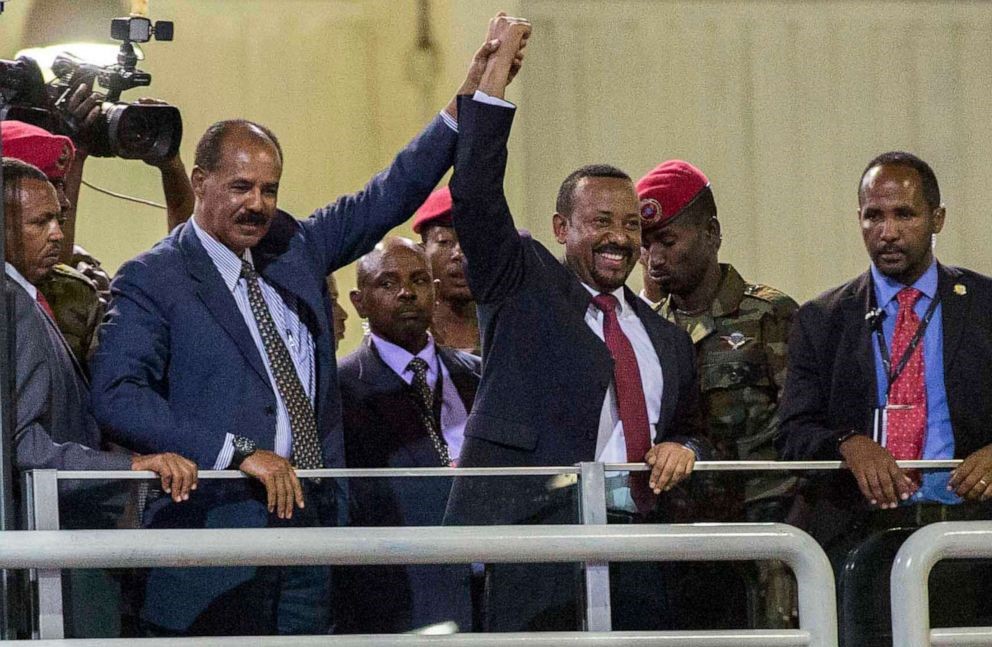
Figure 1. President Isaias Afwerki and Prime Minister Abiy Ahmed together in Addis Ababa during the 2018 rapprochement. Source: ABC News archival photograph.
These were not harmless words.
Eritrea did not become independent because Eritreans hated Ethiopians. It became independent because Eritreans asserted their right to determine their own political destiny, control their territory, and govern themselves as a sovereign nation.
Recognizing cultural, historical, and familial connections between neighboring peoples is one thing. Suggesting that the political distinction between Eritrea and Ethiopia has become meaningless is something entirely different.
Thousands did not sacrifice their lives so that, decades later, an Eritrean leader could casually blur the sovereignty that their struggle established.
The Red Sea Is Not the Property of a Political Leader
The same principle applies to Eritrea’s coastline.
Ethiopia is a landlocked country and has legitimate economic reasons to seek reliable commercial access to seaports. International cooperation can provide such access. Eritrea and Ethiopia can negotiate port usage, transit corridors, investment, customs arrangements, and regional economic integration.
But access is not ownership.
That distinction is fundamental.
International law recognizes rights of access and transit for landlocked states, but such rights do not transfer sovereignty over a neighboring state’s coastline. Article 125 of the United Nations Convention on the Law of the Sea recognizes the right of landlocked states to access the sea and freedom of transit, while preserving arrangements among the states concerned (United Nations, 1982).
The ports of Assab and Massawa are Eritrean. Their political status is not something for Isaias Afwerki, Abiy Ahmed, Brigade Nhamedu, the Blue Revolution, or any other political organization to redistribute.
They belong to the sovereign territory of Eritrea.
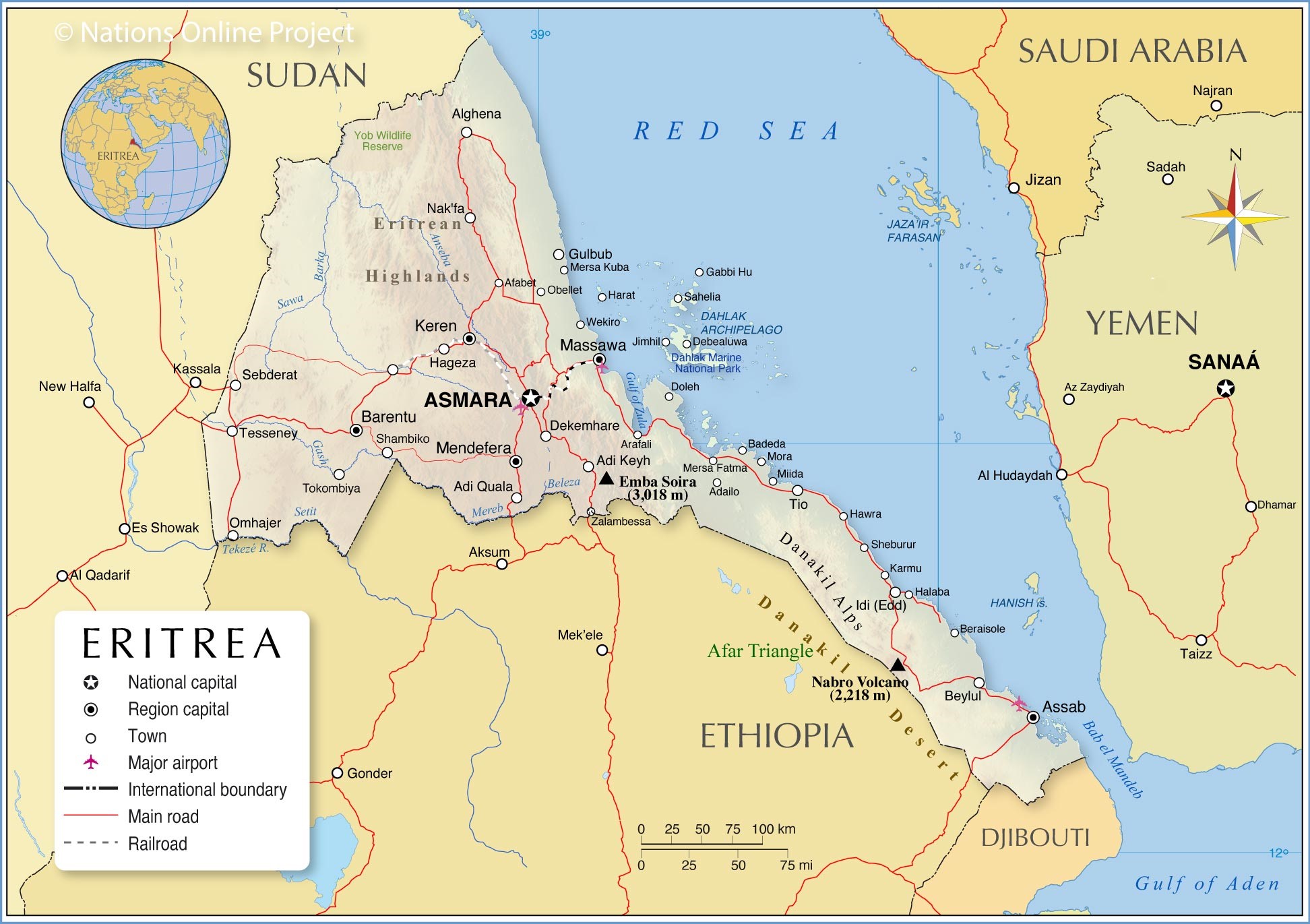
Figure 2. Political map of Eritrea showing its Red Sea coastline and the ports of Massawa and Assab. Source: Nations Online Project; reproduced with source credit for educational/similar use.
Now the Same Question Must Be Asked of the Blue Revolution
The Eritrean opposition movement commonly known as Brigade Nhamedu or the Blue Revolution Movement has developed a visible presence in Ethiopia. Public reporting has documented conferences and organizational activities in Addis Ababa (Plaut, 2025; Horn Review, 2025).
That creates a serious test of political independence.
An Eritrean opposition organization has every right to oppose Isaias Afwerki. It has every right to advocate democratic government, constitutionalism, justice, and political change.
But opposition to Isaias cannot become permission to compromise Eritrea.
If an organization seeking to replace the Eritrean government becomes politically dependent upon an Ethiopian government that is simultaneously asserting increasingly forceful claims regarding Red Sea access, Eritreans have every right to demand clarity about where that organization stands.
Prime Minister Abiy Ahmed has repeatedly described Ethiopia’s access to the sea as a strategic national issue. Reuters reported in March 2025 that Abiy ruled out war with Eritrea over sea access while continuing to emphasize Ethiopia’s desire for a negotiated solution (Reuters, 2025a).
Therefore, silence from Eritrean opposition leaders is not enough. Ambiguity is not enough. Private assurances are not enough.
They must say publicly and unmistakably: Ethiopia has no sovereign ownership claim over Eritrea’s Red Sea coastline. Assab is Eritrean. Massawa is Eritrean. Eritrea’s internationally recognized territorial integrity is not negotiable.
Changing the Government Must Never Mean Changing the Country
This is where the comparison with 2018 becomes important.
If Eritreans condemned Isaias Afwerki for appearing to give Abiy Ahmed political authority beyond Ethiopia and for blurring the distinction between the two sovereign nations, then they cannot accept similar thinking simply because it comes from people calling themselves opposition.
A principle is not a principle if it changes depending on who violates it.
One cannot say that when Isaias compromises Eritrean sovereignty, it is betrayal, but when his opponents do it, it is political strategy.
That is not democratic transformation. That is merely changing the individuals who bargain with Eritrea’s sovereignty.
The struggle for justice in Eritrea must be inseparable from the defense of Eritrea itself.
We Must Learn From Our History
Eritrea’s history should have taught its political movements an essential lesson: foreign governments pursue their own national interests.
Ethiopia will pursue Ethiopian interests. Sudan will pursue Sudanese interests. Egypt will pursue Egyptian interests. The United States, European governments, Gulf states, and every other country will do the same.
There is nothing unusual about that.
The responsibility of Eritrean leaders—government or opposition—is to pursue Eritrea’s national interest.
An opposition organization cannot outsource its national policy to the country providing it sanctuary, financing, diplomatic space, or political support. The moment it does so, it risks becoming an instrument of another government’s strategy rather than an independent movement representing Eritrean aspirations.
Political change achieved at the expense of sovereignty is not liberation. It is dependency under a different name.
Eritrea Is Bigger Than Isaias
Opposing Ethiopian territorial claims should never be confused with defending Isaias Afwerki.
These are two entirely separate questions.
One can demand constitutional government in Eritrea. One can demand political prisoners be released. One can demand the rule of law, independent institutions, accountable leadership, and democratic transition.
And at precisely the same time one can say: Not one centimeter of Eritrean sovereign territory is negotiable.
In fact, a democratic opposition should defend Eritrea’s sovereignty even more clearly than the government it hopes to replace.
Otherwise, what exactly is the meaning of democratic change?
The Test for Every Eritrean Political Movement
Every organization claiming to represent Eritrea’s future should therefore answer several straightforward questions:
• Do you recognize Eritrea within its internationally recognized borders?
• Do you recognize Assab and Massawa as unquestionably sovereign Eritrean territory?
• Do you reject any Ethiopian claim of ownership over Eritrea’s Red Sea coastline?
• Do you distinguish Ethiopia’s legitimate desire for negotiated commercial access from a claim of territorial ownership?
• Will you defend those principles regardless of which foreign government supports your political organization?
Those answers should require neither hesitation nor diplomatic calculation.
The First Victory Must Still Be Truth
Eritreans have already experienced the consequences of placing personalities above principles. That mistake must not be repeated.
In 2018, many were so captivated by the language of reconciliation that they failed to ask where peace ended and political surrender might begin.
Today, Eritreans must not become so consumed by the desire to remove Isaias Afwerki that they stop asking what those proposing to replace him are prepared to surrender in order to obtain power.
There is a profound difference between Ethiopia having access to the Red Sea and Ethiopia owning territory on the Red Sea.
The first can be negotiated peacefully between sovereign neighbors.
The second concerns Eritrea’s territorial integrity and therefore cannot be negotiated away by an individual leader, a ruling party, an opposition movement, or a foreign government.
If Isaias Afwerki was wrong to blur that line in 2018, then anyone calling themselves the Blue Revolution is equally wrong if they blur it today.
Eritrea’s government can change. Its constitution can be implemented. Its political system can be transformed. Its relationship with Ethiopia can become peaceful, cooperative, and economically integrated.
But Eritrea itself is not a bargaining chip.
Assab is not the price of regime change.
The Red Sea is not payment for political sponsorship.
And sovereignty does not belong to whichever Eritrean leader happens to be standing in Addis Ababa.
It belongs to the Eritrean people.
References
Ethiopian News Agency. (2018, July 14). President Isayas says Ethiopians, Eritreans are one people. https://www.ena.et/web/eng/w/en_1933
Horn Review. (2025, January 29). Eritrean opposition conference in Addis Ababa: A significant development in regional dynamics. https://hornreview.org/2025/01/29/eritrean-opposition-conference-in-addis-ababa-a-significant-development-in-regional-dynamics/
Plaut, M. (2025, January 23). Brigade Nhamedu’s forthcoming Addis Ababa conference. https://martinplaut.com/2025/01/23/brigade-nhamedus-forthcoming-addis-ababa-conference/
Reuters. (2025a, March 20). Ethiopia PM rules out war with Eritrea over sea access. https://www.reuters.com/world/africa/ethiopia-pm-rules-out-war-with-eritrea-over-sea-access-2025-03-20/
Reuters. (2025b, March 14). Why are Ethiopia and Eritrea on the brink of a possible war? https://www.reuters.com/world/africa/why-are-ethiopia-eritrea-brink-possible-war-2025-03-14/
Time. (2018). Ethiopia and Eritrea declare an end to their war. https://time.com/5336629/ethiopia-eritrea-peace/
United Nations. (1982). United Nations Convention on the Law of the Sea, Part X, Article 125: Right of access to and from the sea and freedom of transit. https://www.un.org/Depts/los/convention_agreements/texts/unclos/part10.htm
Image Credits
ABC News. Archival photograph of Isaias Afwerki and Abiy Ahmed in Addis Ababa, July 2018. Image used here for article illustration; verify publication rights before commercial or public distribution.
Nations Online Project. Political Map of Eritrea. The source states the map may be used for educational and similar purposes with attribution.
Editorial Note
This article distinguishes between Ethiopia’s legitimate interest in negotiated access to the sea and any claim of sovereign ownership over Eritrean territory. It also treats claims about the Blue Revolution’s position as matters requiring direct public documentation. The fact that opposition groups have organized in Addis Ababa does not, by itself, prove that they have formally accepted Ethiopian ownership of Eritrea’s coastline.
ልዑላውነት ኤርትራን ሕቶ ኣፍደገ-ባሕሪ ኢትዮጵያን፡
Eritrean Sovereignty and Ethiopia's quest for Red-Sea Access.
Part-1/5 (English):
Part-2/5 (Tigrinya):
Part-3/5 (Amharic):
Part-4/5 (Arabic):
Part-5/5 (Q and A ሕቶን መልስን):
ተወሰኽቲ ሰሚናራት፡ ብኣባላት ናይዚ ጉጅለ መጽናዕቲ፡ ኣብዚ ታሕተዋይ ሊንክ ጠውቑ፡-
See also more media interviews by the Red Sea Task Force, below:-
1 - Dehay Eritrea ምሁራት ኤርትራ ብዛዕባ ሕቶ ኣፍደገ ባሕሪ እንታይ እዮም ኣጽኒዖም? ደሃይ ኤርትራ
2 - Atv Asena Live: ኢትዮጵያ ዋንነት ቀይሕ ባሕሪ ኤርትራ ብውዲ ወይ ብግዲ ምባላ ርትዓዊ ድዩ? - ዘተ ምስ መጽናዕቲ ዘካየዱ ኣባላት ሓይሊ ዕማም ኤርትራ
3 - ዘተ ብኤርትራውያን ምሁራት ሓይሊ ዕማም ቀይሕ ባሕሪ ኣብ ዝቐረበ መጽናታዊ ጽሑፍ
See also more articles by Dr Thomas Araya
ካልኦት ብ'ዶ/ር ቶማስ ኣርኣያ ዝተጻሕፉ ጽሑፋትን ዝተዋህቡ ሰሚናራትን፡ ኣብ ታሕቲ ተወከሱ:-
 ብተወሳኺ፡ ነቲ ኣብ ዩቱብ ቻነል ዝወጽእ ሓበሬታ፡ ንመትከላት ማሕበራዊ መትከላት ዩቱብ (YouTube Community Guidelines)፡ እናኽበረ የውጽእ። ስኒትና፡ ብዝከኣሎ መጠን፡ ነዚ መትከላት'ዚን ናይ ሃገርና ኤርትራን ህዝባን ክዉንነትን ምርኩስ ገይሩ፡ ኣብ መርበብ ሓበሬታኡ ስኒትና (www.snitna.com) ክውጽእ ዝግብኦ ሓበሬታ እናመመየ ከውጽእ ይህቅንን ይጽዕርን። እዚ ስራሕዚ ምሉእ ዓወት ንክህልዎ ድማ ብዓቢኡ፡ ግቡእ ኣጠቓቕማ ተሳተፍቲን ምትሕብባርን ምስዝህሉ ኢዩ። ስለዚ፡ ነዚ መትከላት ዚ ንምኽባር ንኹሉ ተገልጋላይ'ዚ መርበብዚ ንጽውዕ። ዝኾነ ሃሳዪ ተርእዮታት ምስዘጋጥሙ፡ ቅሬታኹም ወይ ርእይቶኹም ብኢመይል ኣድራሻና ኣቢልኩም ክትልእኩልና ንላቦ።
 See also Related / ምስዚ ዝተኣሳሰር ሓበሬታ፡-
- Snitna YouTube - ስኒትና ዩቱብ ቻነል።
- Snitna Network and Sinit Seminars Directory. ብ`ስኒትና ከምኡ`ውን ስኒት ዝተኻየዱ ሰሚናራት።
- Snitna FaceBook - ስኒትና ፌስቡክ።
- Sinit YouTube - ስኒት ዩቱብ ቻነል።
- ዘተ ንሓባራዊ ንቕሓት
Dialogue for Common Awareness
مجموعة الحوار للوعي المشترك - ሌላ ምስ
ፖለቲካዊ ሰልፍታትን ህዝባዊ ምንቅስቓሳትን ኤርትራ፡
Eritrean Political parties and Civic movements.s
مقدمة في الأحزاب السياسية والحركات المدنية الإريترية - BUILDING DEMOCRACY IN ERITREA - ህንጸት ዲሞክራሲ ኣብ ኤርትራ بناء الديمقراطية في إريتريا
- ሕግን ሕብረተሰብን - Law and Society.
- ኣስተምህሮ፡ መስርሕ ምንዳፍ ቅዋም ኤርትራ - The Eritrean Constitution Making Process
Seminar by Dr Bereket Habte selassie. ኣስተምህሮ፡ ብ`ዶር. በረኸት ሃብተስላሰ። - ሲምፖዝዩም ኤርትራ (Eri-Platform: 2018 - 2020)
- ዋዕላ ህንጸት ዲሞክራሲ ኣብ ኤርትራ Building Democracy in Eritrea Conference (Eritrea Focus: 2019 - 2020)
- Enough is enough! ይኣክል ምልኪ! ማዕበል ድምጺ ህዝቢ لقد طفح الكيل
- 1993, Eritrean independence referendum Results
ታሪኻዊ ውጽኢት ረፈረንዱም ኤርትራ 1993. - ሃገራዊ ቻርተር ኤርትራ - ኣብ 3ይ ጉባኤ ህ.ግ.ሓ.ኤ: ዝጸደቐ (ናቕፋ 10 - 16 ለካቲት 1994)።
- PFDJ NATIONAL CHARTER Adopted by the 3rd Congress of the EPLF/PFDJ Naqfa, February 10-16, 1994.
- ንዝኽሪ ግዳያት ዲክታቶሪያዊ ምሕደራ ኤርትራ። In memory of Victims of Dictatorial Administration in Eritrea.
- G-15:- ቅልዕቲ ወረቐት ናብ ህዝቢ ኤርትራ፡ ኣገደስቲ እዋናውያን ጉዳያት፡ (ኣስመራ፡ ነሓሰ 3፡ 2001)
- G-15:-Open Letter To The People of Eritrea (Asmara, August 3, 2001)
- G-15:-ቅሉዕ መልእኽቲ ናብ ኩሎም ኣባላት ህግደፍ
- G-15:-Open Letter to All PFDJ Members (Audio) ቅሉዕ መልእኽቲ ናብ ኩሎም ኣባላት ህግደፍ (ብድምጺ)
- G-15:-Open Letter to All PFDJ Members
- GI: ህጹጽ ጻውዒት ንኹሎም ኣብ መላእ ኵርናዓት ዓለም ዝርከቡ ኤርትራውያን። An Urgent Call to All Eritreans Worldwide. المبادرة العالمية لتمكين الحركة الشعبية الاريترية
- ድምጽና (Our Voice)
- መደብ ንጋባእ ENGAGE ERITREA!
- Advice for All Eritreans ምኽሪ ንኹሎም ኤርትራውያን
- UN Human Rights Council - Human Rights in Eritrea (Website) / ናይ ውሕሃ ቤትምኽሪ ሰብኣዊ መሰላት - ኩነታት ሰብኣዊ መሰላት ኣብ ኤርትራ፡ (Website)
- UN Human Rights Council - Human Rights in Eritrea (YouTube) / ናይ ውሕሃ ቤትምኽሪ ሰብኣዊ መሰላት - ኩነታት ሰብኣዊ መሰላት ኣብ ኤርትራ፡ (YouTube)
- Human Rights in Eritrea / ኩነታት ሰብኣዊ መሰላት ኣብ ኤርትራ፡
- UN - Commission of inquiry on Eritrea / ናይ ውሕሃ መርማሪት ኮሚሽን ሰብኣዊ መሰላት ኤርትራ፡
- Mike Smith / ሚስተር ማይክ ስሚዝ፡ ኣቦ ወንበር መርማሪት ኮሚሽን ሰብኣዊ መሰላት ኤርትራ፡
- Also see: "UN - COI on Eritrea / ናይ ውሕሃ መርማሪት ኮሚሽን ሰብኣዊ መሰላት ኤርትራ፡
- UN COMMISSION OF INQUIRY ERITREA (COI-ERITREA) And POPULAR RESPONSES
- ጸብጻብ መርማሪት ኮሚሽን ሰብኣዊ መሰላት ኤርትራ፡ ህዝባዊ ግብረ-መልሲን
- ጸብጻብ መርማሪት ኮምሽን ኵነታት ሰብኣዊ መሰላት ኣብ ኤርትራ – ዘይወግዓዊ ትርጉም (ብትግርኛ)