

17/09/2026 01:30 AM
September in Eritrean History
A Month of Revolution, Betrayal, and Unfinished Dreams
by Dr Thomas Araya
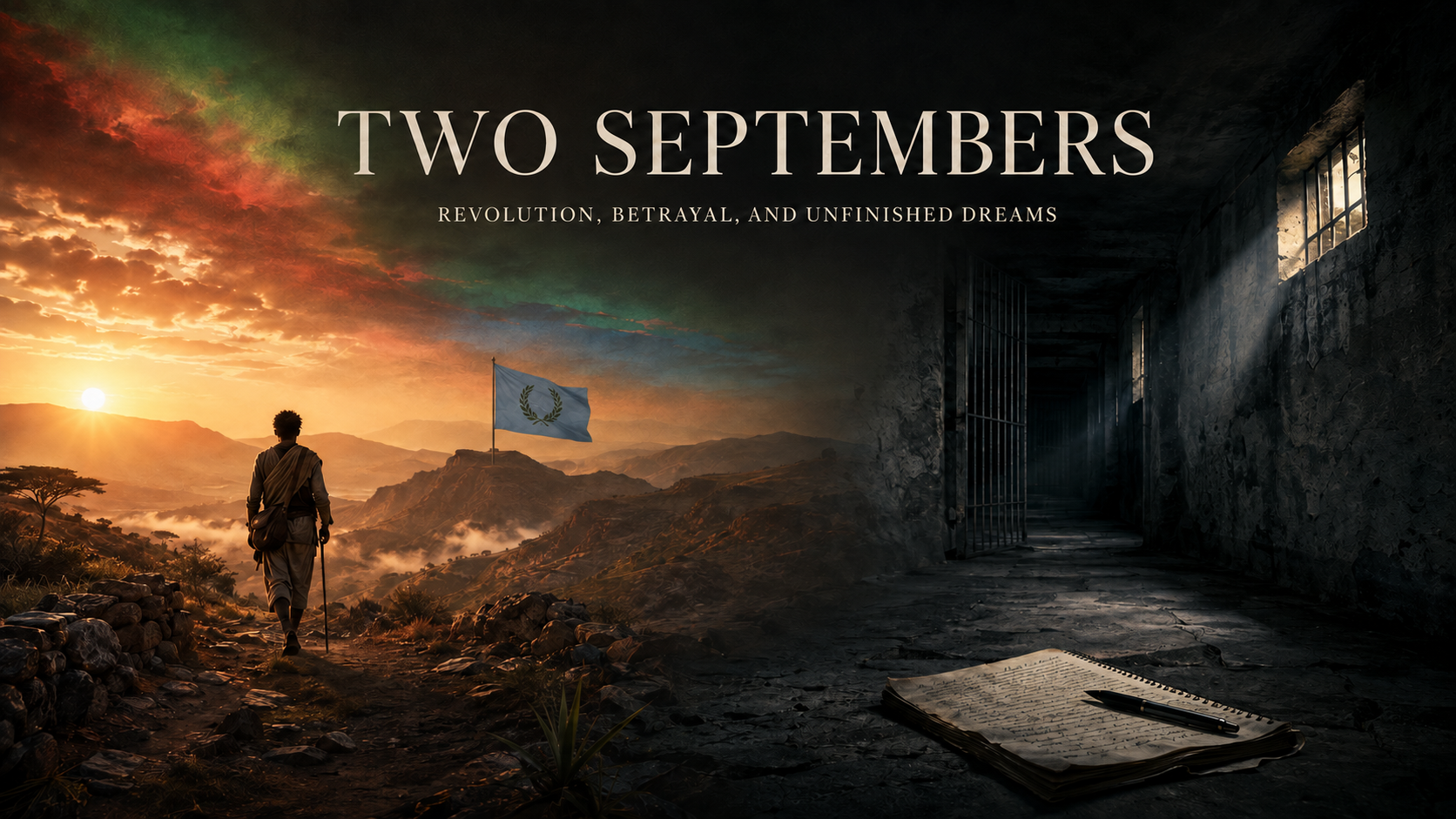
For the Eritrean people, September is not simply another month on the calendar. It carries two profoundly different chapters of our modern history: the beginning of an armed struggle for self-determination and, forty years later, the beginning of one of the darkest periods of political repression in independent Eritrea.
September 1, 1961: When the Armed Struggle Began
On September 1, 1961, Hamid Idris Awate and his companions launched the Eritrean armed struggle at Mount Adal. That moment did not emerge from nowhere. It followed years of political struggle, diplomatic appeals, demonstrations, petitions, and efforts by Eritreans to secure their right to determine their own political future.
Eritrea had been federated with Ethiopia in 1952 under a United Nations-backed arrangement. Over the following years, Eritrea’s autonomous institutions were progressively weakened and dismantled. Political freedoms were restricted, and the federation itself was eventually abolished.
For many Eritreans, September 1 therefore came to symbolize the moment when political and diplomatic avenues had failed and armed resistance became the chosen path.
What followed was a thirty-year liberation struggle marked by extraordinary sacrifice. Eritreans from different regions, religions, communities, and social backgrounds participated. Families lost sons and daughters. Young people abandoned schools, careers, and ordinary lives. Villages endured war and displacement. An entire generation was shaped by the conviction that independence would eventually produce not merely a sovereign territory, but a country based on dignity, justice, equality, and self-government.
In 1991, Eritrean forces entered Asmara. In the internationally observed referendum of 1993, Eritreans overwhelmingly voted for independence.
The dream appeared to have been realized. But sovereignty was only one part of that dream.
September 18, 2001: When the Revolution Turned Against Its Own Voices
Forty years after September 1, another September entered Eritrean history.
On September 18, 2001, the government of President Isaias Afwerki began arresting prominent members of the G-15—a group of senior government officials and former liberation leaders who had publicly called for political reform, constitutional government, accountability, and the implementation of democratic processes.
Many of these individuals had devoted much of their lives to Eritrea’s liberation.
Independent journalists were subsequently arrested and Eritrea’s emerging private press was closed. Among those detained were young journalists whose principal weapons were not rifles but pens, newspapers, questions, and ideas.
The symbolism is difficult to ignore. The generation that had fought to liberate Eritrea and the younger generation beginning to ask what kind of country independence should create were silenced at essentially the same historical moment.
Many of those detained disappeared into Eritrea’s prison system without public trials. Families have spent decades without adequate information about the fate of their loved ones.
The Contradiction of Two Septembers
September represents one of the great contradictions of modern Eritrean history: September 1 represents the beginning of the struggle for freedom, while September 18 represents the suppression of fundamental freedoms within the independent state that emerged from that struggle.
Independence Without Institutional Freedom
The tragedy of post-independence Eritrea is not that the struggle for sovereignty failed. Eritrea achieved sovereignty at tremendous human cost. The deeper question is whether the political leadership successfully transformed a victorious liberation movement into accountable institutions of government.
A liberation movement can operate through secrecy, centralized command, discipline, and military hierarchy because it is fighting a war. A nation cannot remain permanently governed as though the liberation struggle never ended.
Citizens require functioning constitutional government, independent courts, accountable public administration, freedom of expression, predictable laws, educational and economic opportunities, and peaceful mechanisms through which political leadership can change.
Eritrea’s 1997 Constitution promised many of these principles but was never implemented. Instead, the country entered an extended period in which temporary revolutionary structures increasingly became permanent structures of governance.
A Country Frozen in Time
The consequences are visible today. Large numbers of Eritreans have left their country over the past several decades, including young people born after independence. Eritrean refugees and asylum seekers have traveled through Sudan, Ethiopia, Libya, the Mediterranean, Israel, Europe, and other dangerous routes in search of security and opportunity.
This creates one of the most painful questions confronting the independence generation: How did a revolution undertaken so that Eritreans could live freely in their own country produce generations of young Eritreans willing to risk their lives to leave it?
A nation cannot measure its success solely by the fact that it possesses internationally recognized borders and a flag. The ultimate measure of independence must also be the condition of the people living within those borders.
Questions Eritrea Must Confront
Can citizens speak without fear? Can families ask what happened to disappeared relatives? Can young people imagine their futures inside their country? Can citizens peacefully disagree with their government? Can political leaders be held accountable? Can institutions survive beyond individual leaders?
These questions do not diminish the sacrifices of the liberation struggle. They honor them.
September Must Belong to Both Memory and Reflection
September should therefore be a month of profound reflection for Eritreans. We should remember September 1, 1961, and the generation that refused to surrender Eritrea’s right to self-determination. But we must also remember September 18, 2001, and those who asked a different but equally important question: What should freedom mean after liberation?
The first generation fought for the existence of Eritrea. The next struggle must be about the character of Eritrea.
It must be about building a country in which no Eritrean disappears because of an opinion; where journalists do not become prisoners for asking questions; where political disagreement is not treated as treason; where young people do not believe exile is their only future; and where institutions are stronger than individual leaders.
September 1 reminds us that sovereignty matters. September 18 reminds us that sovereignty without accountable governance does not complete the promise of liberation.
Eritrea’s unfinished historical task is to reconcile these two Septembers—to preserve the independence achieved through enormous sacrifice while finally establishing the rule of law, accountable institutions, human dignity, and political freedoms that give independence its meaning.
The generation of the armed struggle answered the question: Can Eritrea become a country?
The responsibility of the generations that followed is to answer another: What kind of country should Eritrea become?
Until that question is answered, the dreams that inspired September 1, 1961, remain, in an important sense, unfinished.
See also more articles by Dr Thomas Araya
ካልኦት ብ'ዶ/ር ቶማስ ኣርኣያ ዝተጻሕፉ ጽሑፋትን ዝተዋህቡ ሰሚናራትን፡ ኣብ ታሕቲ ተወከሱ:-
 ብተወሳኺ፡ ነቲ ኣብ ዩቱብ ቻነል ዝወጽእ ሓበሬታ፡ ንመትከላት ማሕበራዊ መትከላት ዩቱብ (YouTube Community Guidelines)፡ እናኽበረ የውጽእ። ስኒትና፡ ብዝከኣሎ መጠን፡ ነዚ መትከላት'ዚን ናይ ሃገርና ኤርትራን ህዝባን ክዉንነትን ምርኩስ ገይሩ፡ ኣብ መርበብ ሓበሬታኡ ስኒትና (www.snitna.com) ክውጽእ ዝግብኦ ሓበሬታ እናመመየ ከውጽእ ይህቅንን ይጽዕርን። እዚ ስራሕዚ ምሉእ ዓወት ንክህልዎ ድማ ብዓቢኡ፡ ግቡእ ኣጠቓቕማ ተሳተፍቲን ምትሕብባርን ምስዝህሉ ኢዩ። ስለዚ፡ ነዚ መትከላት ዚ ንምኽባር ንኹሉ ተገልጋላይ'ዚ መርበብዚ ንጽውዕ። ዝኾነ ሃሳዪ ተርእዮታት ምስዘጋጥሙ፡ ቅሬታኹም ወይ ርእይቶኹም ብኢመይል ኣድራሻና ኣቢልኩም ክትልእኩልና ንላቦ።
 See also Related / ምስዚ ዝተኣሳሰር ሓበሬታ፡-
- Snitna YouTube - ስኒትና ዩቱብ ቻነል።
- Snitna Network and Sinit Seminars Directory. ብ`ስኒትና ከምኡ`ውን ስኒት ዝተኻየዱ ሰሚናራት።
- Snitna FaceBook - ስኒትና ፌስቡክ።
- Sinit YouTube - ስኒት ዩቱብ ቻነል።
- ዘተ ንሓባራዊ ንቕሓት
Dialogue for Common Awareness
مجموعة الحوار للوعي المشترك - ሌላ ምስ
ፖለቲካዊ ሰልፍታትን ህዝባዊ ምንቅስቓሳትን ኤርትራ፡
Eritrean Political parties and Civic movements.s
مقدمة في الأحزاب السياسية والحركات المدنية الإريترية - BUILDING DEMOCRACY IN ERITREA - ህንጸት ዲሞክራሲ ኣብ ኤርትራ بناء الديمقراطية في إريتريا
- ሕግን ሕብረተሰብን - Law and Society.
- ኣስተምህሮ፡ መስርሕ ምንዳፍ ቅዋም ኤርትራ - The Eritrean Constitution Making Process
Seminar by Dr Bereket Habte selassie. ኣስተምህሮ፡ ብ`ዶር. በረኸት ሃብተስላሰ። - ሲምፖዝዩም ኤርትራ (Eri-Platform: 2018 - 2020)
- ዋዕላ ህንጸት ዲሞክራሲ ኣብ ኤርትራ Building Democracy in Eritrea Conference (Eritrea Focus: 2019 - 2020)
- Enough is enough! ይኣክል ምልኪ! ማዕበል ድምጺ ህዝቢ لقد طفح الكيل
- 1993, Eritrean independence referendum Results
ታሪኻዊ ውጽኢት ረፈረንዱም ኤርትራ 1993. - ሃገራዊ ቻርተር ኤርትራ - ኣብ 3ይ ጉባኤ ህ.ግ.ሓ.ኤ: ዝጸደቐ (ናቕፋ 10 - 16 ለካቲት 1994)።
- PFDJ NATIONAL CHARTER Adopted by the 3rd Congress of the EPLF/PFDJ Naqfa, February 10-16, 1994.
- ንዝኽሪ ግዳያት ዲክታቶሪያዊ ምሕደራ ኤርትራ። In memory of Victims of Dictatorial Administration in Eritrea.
- G-15:- ቅልዕቲ ወረቐት ናብ ህዝቢ ኤርትራ፡ ኣገደስቲ እዋናውያን ጉዳያት፡ (ኣስመራ፡ ነሓሰ 3፡ 2001)
- G-15:-Open Letter To The People of Eritrea (Asmara, August 3, 2001)
- G-15:-ቅሉዕ መልእኽቲ ናብ ኩሎም ኣባላት ህግደፍ
- G-15:-Open Letter to All PFDJ Members (Audio) ቅሉዕ መልእኽቲ ናብ ኩሎም ኣባላት ህግደፍ (ብድምጺ)
- G-15:-Open Letter to All PFDJ Members
- GI: ህጹጽ ጻውዒት ንኹሎም ኣብ መላእ ኵርናዓት ዓለም ዝርከቡ ኤርትራውያን። An Urgent Call to All Eritreans Worldwide. المبادرة العالمية لتمكين الحركة الشعبية الاريترية
- ድምጽና (Our Voice)
- መደብ ንጋባእ ENGAGE ERITREA!
- Advice for All Eritreans ምኽሪ ንኹሎም ኤርትራውያን
- UN Human Rights Council - Human Rights in Eritrea (Website) / ናይ ውሕሃ ቤትምኽሪ ሰብኣዊ መሰላት - ኩነታት ሰብኣዊ መሰላት ኣብ ኤርትራ፡ (Website)
- UN Human Rights Council - Human Rights in Eritrea (YouTube) / ናይ ውሕሃ ቤትምኽሪ ሰብኣዊ መሰላት - ኩነታት ሰብኣዊ መሰላት ኣብ ኤርትራ፡ (YouTube)
- Human Rights in Eritrea / ኩነታት ሰብኣዊ መሰላት ኣብ ኤርትራ፡
- UN - Commission of inquiry on Eritrea / ናይ ውሕሃ መርማሪት ኮሚሽን ሰብኣዊ መሰላት ኤርትራ፡
- Mike Smith / ሚስተር ማይክ ስሚዝ፡ ኣቦ ወንበር መርማሪት ኮሚሽን ሰብኣዊ መሰላት ኤርትራ፡
- Also see: "UN - COI on Eritrea / ናይ ውሕሃ መርማሪት ኮሚሽን ሰብኣዊ መሰላት ኤርትራ፡
- UN COMMISSION OF INQUIRY ERITREA (COI-ERITREA) And POPULAR RESPONSES
- ጸብጻብ መርማሪት ኮሚሽን ሰብኣዊ መሰላት ኤርትራ፡ ህዝባዊ ግብረ-መልሲን
- ጸብጻብ መርማሪት ኮምሽን ኵነታት ሰብኣዊ መሰላት ኣብ ኤርትራ – ዘይወግዓዊ ትርጉም (ብትግርኛ)