

14/04/2026 18:41 PM
SUICIDE BY GEOGRAPHY:
How "Abiy Logic" Could Erase Ethiopia from the Map
By Dr. Gebre Gebremariam
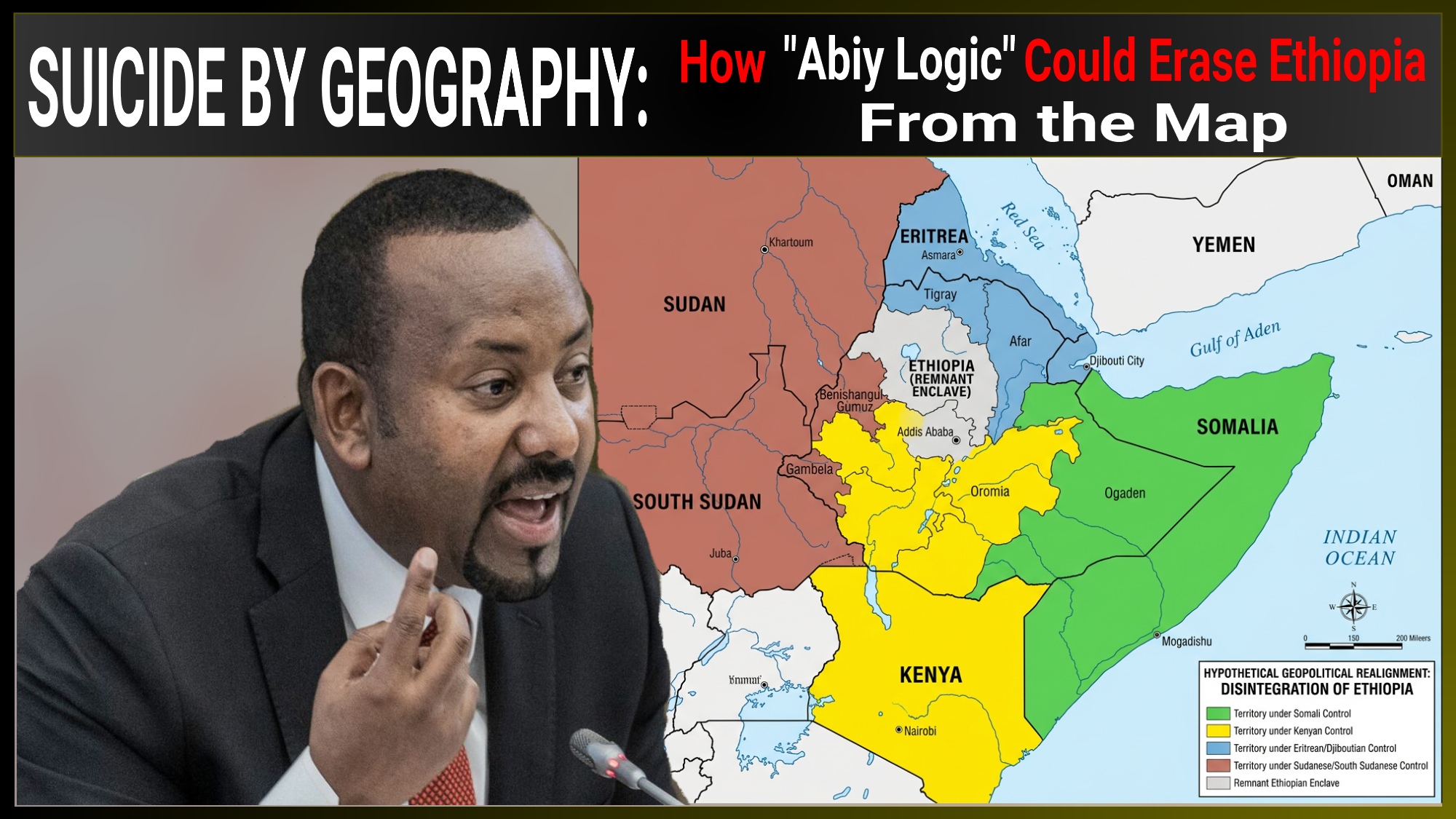
Suicide by Geography: How "Abiy Logic" Could Erase Ethiopia from the Map.
Dr. Gebre Gebremariam
Context:
This analysis is written in response to a documentary program recently aired on Ethiopian state media in Amharic. The program repeats the dangerous rhetoric currently being championed by the Abiy administration, specifically weaponizing the “Afar Card” to justify territorial expansion. By narrating a false history of “missed opportunities” during the 1998–2000 border war and suggesting that ethnic distribution should dictate international boundaries, the program promotes a narrative that is both historically inaccurate and strategically reckless.
By Dr. Gebre Gebremariam
The political geography of Africa is defined by a paradox: its borders are both "artificial" and "sacrosanct." Drawn during the Berlin Conference of 1884–85 by European colonialists with no regard for ethnic or linguistic realities, these lines divided ancient communities and kingdoms. Yet, at the dawn of independence in 1964, the Organization of African Unity (OAU) recognized that attempting to redraw these borders would lead to continental catastrophe. They established the principle of uti possidetis—respecting inherited borders—as the only way to prevent endless war (Clapham 2017, 122).
Today, this foundational principle is being threatened by what is increasingly termed "Abiy Logic." While a landlocked nation’s quest for commercial port access could be a legitimate economic goal if pursued through diplomacy, the current administration’s rhetoric suggests something far more dangerous: a demand for sovereign territorial access and the redrawing of international maps. This logic—that borders should be revised based on ethnic affiliation or "correcting" the outcomes of past wars—is a double-edged sword that could ultimately dismantle the Ethiopian state itself.
The Afar Paradox: A Gateway or an Exit?
The recent state media documentary leans heavily on the "Afar Card," suggesting that because the Afar people inhabit a contiguous region across Ethiopia, Eritrea, and Djibouti, Ethiopia has a natural claim to the Red Sea coast. However, this logic ignores the inherent danger of ethnic irredentism.
The Afar people already possess sovereign territory and coastal access in Djibouti and Eritrea. If ethnicity becomes the primary justification for redrawing borders, there is no reason the Afar within Ethiopia would necessarily want to remain part of a landlocked, highland-dominated state. Applying "Abiy Logic," the Afar Region of Ethiopia—which serves as the country's sole economic artery to the outside world—could just as easily choose to secede and join their kin in Eritrea or Djibouti to form a unified, coastal "Afar State." In this scenario, the "Abiy Logic" does not gain Ethiopia a port; it loses Ethiopia its most critical trade corridor and its only reliable link to international commerce (Shehim 1985, 340).
The Domino Effect: A Map of DissolutionIf Ethiopia challenges the sovereignty of its neighbors based on ethnic distribution or the "missed opportunities" of past wars, it provides a legal and moral blueprint for its neighbors to dismantle Ethiopia. Ethiopia is a fragile mosaic of over 80 ethnic groups. If the 1964 Cairo Declaration is abandoned in favor of this new expansionist logic, the following territorial hemorrhages become inevitable:
1. The Somali Region (The Ogaden): The most immediate threat lies in the east. Somalia has historically sought to unite all Somali-speaking peoples into a "Greater Somalia." If Abiy argues that borders should follow ethnic lines, he validates Mogadishu’s claim to a third of Ethiopia’s landmass. This was the exact logic that fueled the 1977–78 Ogaden War (Tareke 2009, 185).
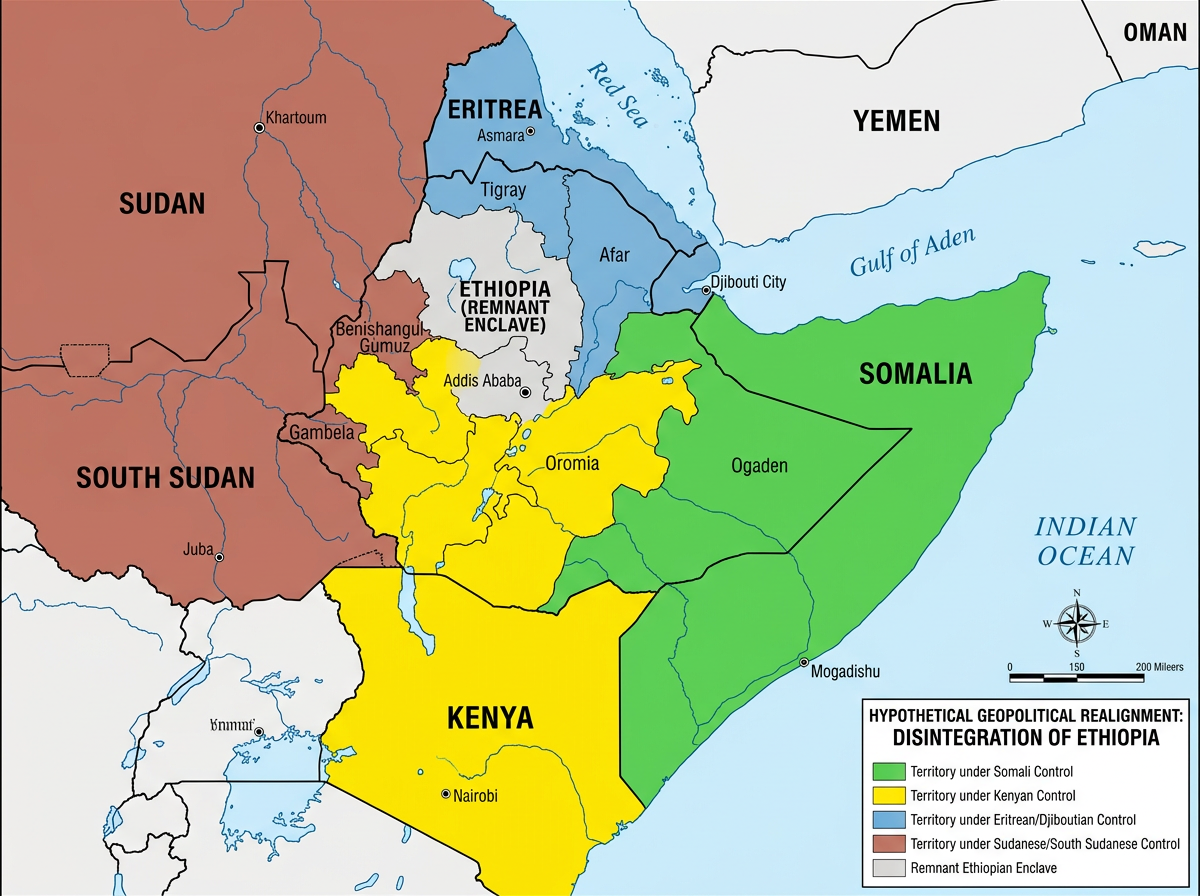
2. Oromia and Kenya: The Oromo people, Ethiopia's largest ethnic group, share deep cultural and linguistic ties with populations in northern Kenya. Under a system of ethnic-based borders, southern Ethiopia could be pulled toward a transnational Oromo identity, effectively erasing the current border with Kenya and threatening the integrity of both nations.
3. Tigray and Eritrea: The Tigrayans of northern Ethiopia share a language, religion, and history with the majority in Eritrea. If the "Abiy Logic" of ethnic reunification is applied, northern Ethiopia could be absorbed into a "Greater Tigray/Tigrinya" state centered in Asmara, further hollowing out the Ethiopian union (De Waal 2015, 34).
4. The Western Frontiers: In the west, the Gambella and Benishangul-Gumuz regions are home to Nilotic peoples with deep ties to South Sudan and Sudan. If ethnicity dictates sovereignty, these resource-rich regions—which house the Grand Ethiopian Renaissance Dam (GERD)—could be claimed by Juba or Khartoum, stripping Ethiopia of its most vital energy and water assets.
The Strategic Cost of Revisionism
The state media’s lamentation over "missed opportunities" in the 1998–2000 war is particularly dangerous. That conflict was settled by the Algiers Agreement, a binding international treaty. By suggesting that Ethiopia should have "finished the job" by seizing the port of Assab, the administration signals that its goal is not merely commercial usage, but territorial conquest. This undermines Ethiopia's standing as a nation that respects international law.
Furthermore, history shows that irredentist claims—the desire to "recover" territory—almost always lead to catastrophic displacement and economic collapse. The Balkan wars of the 1990s serve as a grim warning: when a multi-ethnic state begins to prioritize "ethnic purity" or historical borders over modern citizenship, the result is not a stronger nation, but a fragmented landscape of "rump states" (Glenny 2012, 635).
Conclusion: A Choice Between Sovereignty and Chaos
The Horn of Africa is a region defined by profound interdependence. Ethiopia’s quest for a commercial port access, if it were just that, could have been a legitimate economic goal; but such a need must be pursued through 21st-century mechanisms: diplomacy, regional economic integration, and shared infrastructure. Instead, by pursuing a sovereign territorial claim disguised as an ethnic right, the Abiy administration is playing with fire in a room full of gunpowder.
In a continent of "divided houses," those who attempt to move the walls often find the entire ceiling collapsing upon them. To save Ethiopia, the regime must protect the very borders it currently seeks to question. Challenging the sovereignty of neighbors based on the "Afar Card" is not a strategy for growth, but a map for national suicide.
References
- 1. Abbay, Alemseged. 2024. "Identity and Conflict in the Horn: The Risk of Irredentism." Journal of African Studies 42 (1): 15–30.
- 2. Clapham, Christopher. 2017. The Horn of Africa: State Formation and Decay. New York: Oxford University Press.
- 3. De Waal, Alex. 2015. The Real Politics of the Horn of Africa: Money, War and the Business of Power. Cambridge: Polity Press.
- 4. Glenny, Misha. 2012. The Balkans: Nationalism, War, and the Great Powers, 1804-2012. New York: Penguin Books.
- 5. Organization of African Unity (OAU). 1964. AHG/Res. 16(I): Resolution on Border Disputes among African States. Cairo: OAU Assembly of Heads of State and Government.
- 6. Shehim, Kassim. 1985. "Ethiopia, Adal, and the Afar." The Journal of African History 26 (4): 331–343.
- 7. Tareke, Gebru. 2009. The Ethiopian Revolution: War in the Horn of Africa. New Haven: Yale University Press.
See also more articles from Dr Gebre Gebremariam:
- ምስ ዶ/ር ገብረመስቀል ገብረማሪያም ዝተገብረ ዕላላትን፡ ዝተዋህበ ኣስተምህሮኣዊ ሰሚናራትን ኣብ ዝተፈላለዩ እዋናት።
- ዩቱብ ቻነል ዶር ገብረ ገብረማሪያም Dr Gebre Gebremariam Youtube channel
- ወብሳይት ዶር ገብረ ገብረማሪያም Dr Gebre Gebremariam Website
 ብተወሳኺ፡ ነቲ ኣብ ዩቱብ ቻነል ዝወጽእ ሓበሬታ፡ ንመትከላት ማሕበራዊ መትከላት ዩቱብ (YouTube Community Guidelines)፡ እናኽበረ የውጽእ። ስኒትና፡ ብዝከኣሎ መጠን፡ ነዚ መትከላት'ዚን ናይ ሃገርና ኤርትራን ህዝባን ክዉንነትን ምርኩስ ገይሩ፡ ኣብ መርበብ ሓበሬታኡ ስኒትና (www.snitna.com) ክውጽእ ዝግብኦ ሓበሬታ እናመመየ ከውጽእ ይህቅንን ይጽዕርን። እዚ ስራሕዚ ምሉእ ዓወት ንክህልዎ ድማ ብዓቢኡ፡ ግቡእ ኣጠቓቕማ ተሳተፍቲን ምትሕብባርን ምስዝህሉ ኢዩ። ስለዚ፡ ነዚ መትከላት ዚ ንምኽባር ንኹሉ ተገልጋላይ'ዚ መርበብዚ ንጽውዕ። ዝኾነ ሃሳዪ ተርእዮታት ምስዘጋጥሙ፡ ቅሬታኹም ወይ ርእይቶኹም ብኢመይል ኣድራሻና ኣቢልኩም ክትልእኩልና ንላቦ።
 See also Related / ምስዚ ዝተኣሳሰር ሓበሬታ፡-
- Snitna YouTube - ስኒትና ዩቱብ ቻነል።
- Snitna Network and Sinit Seminars Directory. ብ`ስኒትና ከምኡ`ውን ስኒት ዝተኻየዱ ሰሚናራት።
- Snitna FaceBook - ስኒትና ፌስቡክ።
- Sinit YouTube - ስኒት ዩቱብ ቻነል።
- ዘተ ንሓባራዊ ንቕሓት
Dialogue for Common Awareness
مجموعة الحوار للوعي المشترك - ሌላ ምስ
ፖለቲካዊ ሰልፍታትን ህዝባዊ ምንቅስቓሳትን ኤርትራ፡
Eritrean Political parties and Civic movements.s
مقدمة في الأحزاب السياسية والحركات المدنية الإريترية - BUILDING DEMOCRACY IN ERITREA - ህንጸት ዲሞክራሲ ኣብ ኤርትራ بناء الديمقراطية في إريتريا
- ሕግን ሕብረተሰብን - Law and Society.
- ኣስተምህሮ፡ መስርሕ ምንዳፍ ቅዋም ኤርትራ - The Eritrean Constitution Making Process
Seminar by Dr Bereket Habte selassie. ኣስተምህሮ፡ ብ`ዶር. በረኸት ሃብተስላሰ። - ሲምፖዝዩም ኤርትራ (Eri-Platform: 2018 - 2020)
- ዋዕላ ህንጸት ዲሞክራሲ ኣብ ኤርትራ Building Democracy in Eritrea Conference (Eritrea Focus: 2019 - 2020)
- Enough is enough! ይኣክል ምልኪ! ማዕበል ድምጺ ህዝቢ لقد طفح الكيل
- 1993, Eritrean independence referendum Results
ታሪኻዊ ውጽኢት ረፈረንዱም ኤርትራ 1993. - ሃገራዊ ቻርተር ኤርትራ - ኣብ 3ይ ጉባኤ ህ.ግ.ሓ.ኤ: ዝጸደቐ (ናቕፋ 10 - 16 ለካቲት 1994)።
- PFDJ NATIONAL CHARTER Adopted by the 3rd Congress of the EPLF/PFDJ Naqfa, February 10-16, 1994.
- ንዝኽሪ ግዳያት ዲክታቶሪያዊ ምሕደራ ኤርትራ። In memory of Victims of Dictatorial Administration in Eritrea.
- G-15:- ቅልዕቲ ወረቐት ናብ ህዝቢ ኤርትራ፡ ኣገደስቲ እዋናውያን ጉዳያት፡ (ኣስመራ፡ ነሓሰ 3፡ 2001)
- G-15:-Open Letter To The People of Eritrea (Asmara, August 3, 2001)
- G-15:-ቅሉዕ መልእኽቲ ናብ ኩሎም ኣባላት ህግደፍ
- G-15:-Open Letter to All PFDJ Members (Audio) ቅሉዕ መልእኽቲ ናብ ኩሎም ኣባላት ህግደፍ (ብድምጺ)
- G-15:-Open Letter to All PFDJ Members
- GI: ህጹጽ ጻውዒት ንኹሎም ኣብ መላእ ኵርናዓት ዓለም ዝርከቡ ኤርትራውያን። An Urgent Call to All Eritreans Worldwide. المبادرة العالمية لتمكين الحركة الشعبية الاريترية
- ድምጽና (Our Voice)
- መደብ ንጋባእ ENGAGE ERITREA!
- Advice for All Eritreans ምኽሪ ንኹሎም ኤርትራውያን
- UN Human Rights Council - Human Rights in Eritrea (Website) / ናይ ውሕሃ ቤትምኽሪ ሰብኣዊ መሰላት - ኩነታት ሰብኣዊ መሰላት ኣብ ኤርትራ፡ (Website)
- UN Human Rights Council - Human Rights in Eritrea (YouTube) / ናይ ውሕሃ ቤትምኽሪ ሰብኣዊ መሰላት - ኩነታት ሰብኣዊ መሰላት ኣብ ኤርትራ፡ (YouTube)
- Human Rights in Eritrea / ኩነታት ሰብኣዊ መሰላት ኣብ ኤርትራ፡
- UN - Commission of inquiry on Eritrea / ናይ ውሕሃ መርማሪት ኮሚሽን ሰብኣዊ መሰላት ኤርትራ፡
- Mike Smith / ሚስተር ማይክ ስሚዝ፡ ኣቦ ወንበር መርማሪት ኮሚሽን ሰብኣዊ መሰላት ኤርትራ፡
- Also see: "UN - COI on Eritrea / ናይ ውሕሃ መርማሪት ኮሚሽን ሰብኣዊ መሰላት ኤርትራ፡
- UN COMMISSION OF INQUIRY ERITREA (COI-ERITREA) And POPULAR RESPONSES
- ጸብጻብ መርማሪት ኮሚሽን ሰብኣዊ መሰላት ኤርትራ፡ ህዝባዊ ግብረ-መልሲን
- ጸብጻብ መርማሪት ኮምሽን ኵነታት ሰብኣዊ መሰላት ኣብ ኤርትራ – ዘይወግዓዊ ትርጉም (ብትግርኛ)