

24/06/2026 22:38 PM
What the Revolutionary Generation Missed in Their Lifetime
By Dr Thomas Araya
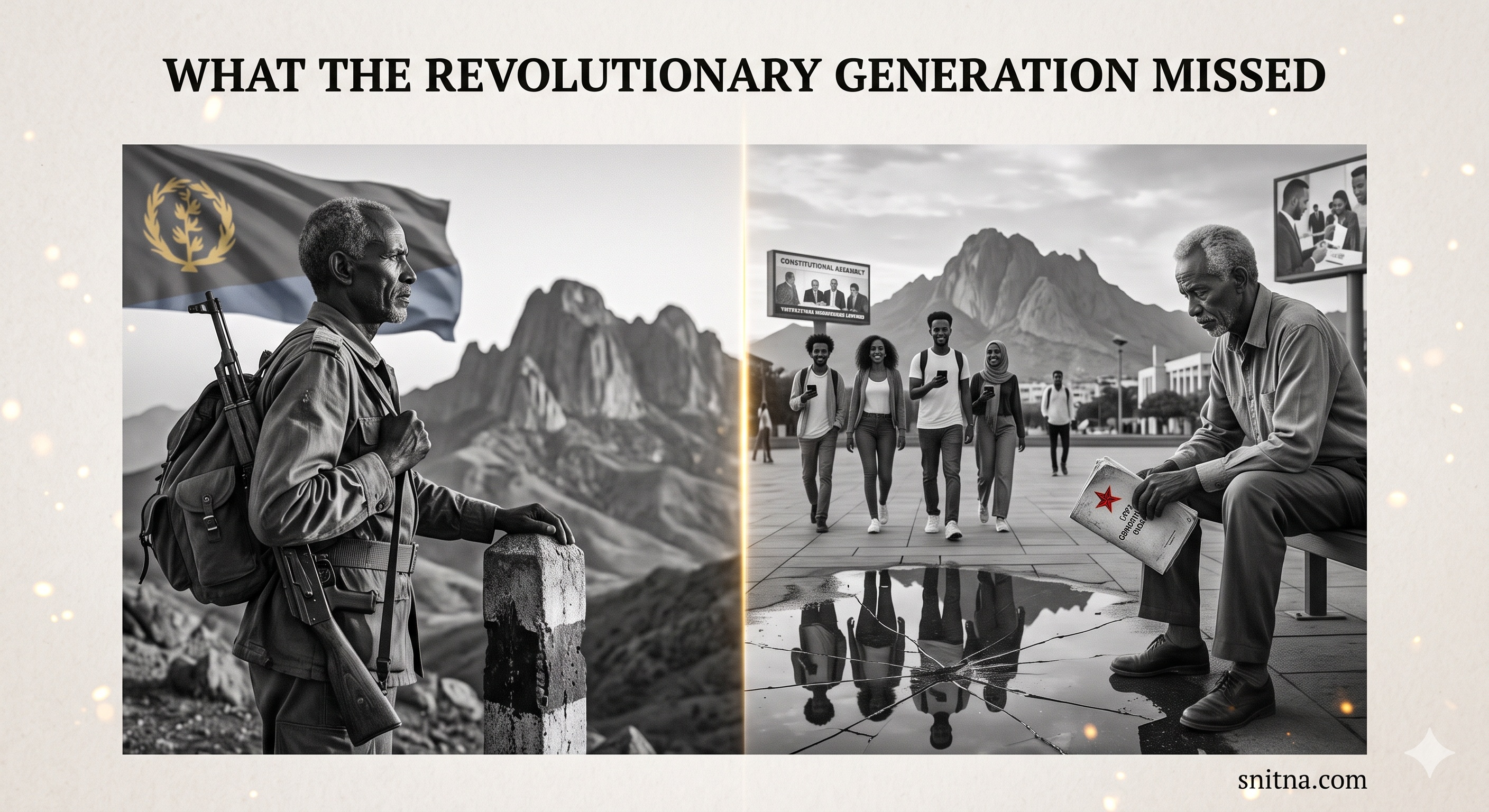
What the Revolutionary Generation Missed in Their Lifetime
By Dr Thomas Araya
The men and women who joined the Eritrean revolution sacrificed more than their comfort and security. They surrendered their youth, postponed their dreams, and entrusted their future to the promise of a free Eritrea. Many gave their lives before witnessing independence; others lived long enough to see the flag raised but not long enough to experience the society they had imagined.
While the world underwent extraordinary transformation, much of the revolutionary generation remained frozen in the memories and realities of war.
They missed the opportunity to grow old in peace with their families. Many never experienced the joys of raising children, attending schools and universities, building professions, or pursuing personal ambitions. Years that could have been devoted to art, science, literature, business, and innovation were consumed by conflict and sacrifice.
They missed the digital revolution that connected humanity through the internet, mobile communication, and artificial intelligence. While other nations embraced globalization, technological progress, and economic development, many former fighters continued to live within structures shaped by wartime thinking and permanent mobilization.
They missed the flourishing of democratic institutions that emerged in many countries after the Cold War. Constitutional governance, free media, independent courts, and competitive politics became foundations for progress elsewhere, while the aspirations embodied in Eritrea’s 1997 Constitution remained unrealized.
They missed seeing generations of Eritrean youth thrive within their own country. Instead, many witnessed a painful exodus as young Eritreans crossed deserts and seas in search of opportunities, safety, and dignity. The dream that had inspired one generation became a deferred hope for another.
They missed the possibility of transforming revolutionary legitimacy into institutional legitimacy. The virtues that sustained the liberation struggle—discipline, sacrifice, and unity—were not fully translated into accountable institutions capable of nurturing prosperity and citizenship.
Perhaps the greatest tragedy is that many revolutionaries did not seek wealth or power for themselves. They sought dignity, justice, and self-determination for their people. Yet the fast-changing world demanded not only liberation from external domination, but also adaptation, openness, and the willingness to evolve. Nations that failed to transform their revolutionary cultures into democratic cultures often found themselves trapped by the very methods that once secured victory.
History should remember the revolutionary generation not only for what they achieved, but also for what they sacrificed and what they unknowingly lost. They carried the dream of Eritrea on their shoulders. But many never had the chance to enjoy the fruits of peace, to witness the flourishing of free institutions, or to see their country fully realize the promise for which they gave everything.
Their sacrifice liberated a nation. Yet the unfinished task remains: to build the kind of Eritrea for which they believed, struggled, and died.
------------
Related Resources:
The following resources provide critical context on the constitutional, technological, and human rights situation in Eritrea:
1. The 1997 Constitution of Eritrea
See also more articles by Dr Thomas Araya
ካልኦት ብ'ዶ/ር ቶማስ ኣርኣያ ዝተጻሕፉ ጽሑፋትን ዝተዋህቡ ሰሚናራትን፡ ኣብ ታሕቲ ተወከሱ:-
 ብተወሳኺ፡ ነቲ ኣብ ዩቱብ ቻነል ዝወጽእ ሓበሬታ፡ ንመትከላት ማሕበራዊ መትከላት ዩቱብ (YouTube Community Guidelines)፡ እናኽበረ የውጽእ። ስኒትና፡ ብዝከኣሎ መጠን፡ ነዚ መትከላት'ዚን ናይ ሃገርና ኤርትራን ህዝባን ክዉንነትን ምርኩስ ገይሩ፡ ኣብ መርበብ ሓበሬታኡ ስኒትና (www.snitna.com) ክውጽእ ዝግብኦ ሓበሬታ እናመመየ ከውጽእ ይህቅንን ይጽዕርን። እዚ ስራሕዚ ምሉእ ዓወት ንክህልዎ ድማ ብዓቢኡ፡ ግቡእ ኣጠቓቕማ ተሳተፍቲን ምትሕብባርን ምስዝህሉ ኢዩ። ስለዚ፡ ነዚ መትከላት ዚ ንምኽባር ንኹሉ ተገልጋላይ'ዚ መርበብዚ ንጽውዕ። ዝኾነ ሃሳዪ ተርእዮታት ምስዘጋጥሙ፡ ቅሬታኹም ወይ ርእይቶኹም ብኢመይል ኣድራሻና ኣቢልኩም ክትልእኩልና ንላቦ።
 See also Related / ምስዚ ዝተኣሳሰር ሓበሬታ፡-
- Snitna YouTube - ስኒትና ዩቱብ ቻነል።
- Snitna Network and Sinit Seminars Directory. ብ`ስኒትና ከምኡ`ውን ስኒት ዝተኻየዱ ሰሚናራት።
- Snitna FaceBook - ስኒትና ፌስቡክ።
- Sinit YouTube - ስኒት ዩቱብ ቻነል።
- ዘተ ንሓባራዊ ንቕሓት
Dialogue for Common Awareness
مجموعة الحوار للوعي المشترك - ሌላ ምስ
ፖለቲካዊ ሰልፍታትን ህዝባዊ ምንቅስቓሳትን ኤርትራ፡
Eritrean Political parties and Civic movements.s
مقدمة في الأحزاب السياسية والحركات المدنية الإريترية - BUILDING DEMOCRACY IN ERITREA - ህንጸት ዲሞክራሲ ኣብ ኤርትራ بناء الديمقراطية في إريتريا
- ሕግን ሕብረተሰብን - Law and Society.
- ኣስተምህሮ፡ መስርሕ ምንዳፍ ቅዋም ኤርትራ - The Eritrean Constitution Making Process
Seminar by Dr Bereket Habte selassie. ኣስተምህሮ፡ ብ`ዶር. በረኸት ሃብተስላሰ። - ሲምፖዝዩም ኤርትራ (Eri-Platform: 2018 - 2020)
- ዋዕላ ህንጸት ዲሞክራሲ ኣብ ኤርትራ Building Democracy in Eritrea Conference (Eritrea Focus: 2019 - 2020)
- Enough is enough! ይኣክል ምልኪ! ማዕበል ድምጺ ህዝቢ لقد طفح الكيل
- 1993, Eritrean independence referendum Results
ታሪኻዊ ውጽኢት ረፈረንዱም ኤርትራ 1993. - ሃገራዊ ቻርተር ኤርትራ - ኣብ 3ይ ጉባኤ ህ.ግ.ሓ.ኤ: ዝጸደቐ (ናቕፋ 10 - 16 ለካቲት 1994)።
- PFDJ NATIONAL CHARTER Adopted by the 3rd Congress of the EPLF/PFDJ Naqfa, February 10-16, 1994.
- ንዝኽሪ ግዳያት ዲክታቶሪያዊ ምሕደራ ኤርትራ። In memory of Victims of Dictatorial Administration in Eritrea.
- G-15:- ቅልዕቲ ወረቐት ናብ ህዝቢ ኤርትራ፡ ኣገደስቲ እዋናውያን ጉዳያት፡ (ኣስመራ፡ ነሓሰ 3፡ 2001)
- G-15:-Open Letter To The People of Eritrea (Asmara, August 3, 2001)
- G-15:-ቅሉዕ መልእኽቲ ናብ ኩሎም ኣባላት ህግደፍ
- G-15:-Open Letter to All PFDJ Members (Audio) ቅሉዕ መልእኽቲ ናብ ኩሎም ኣባላት ህግደፍ (ብድምጺ)
- G-15:-Open Letter to All PFDJ Members
- GI: ህጹጽ ጻውዒት ንኹሎም ኣብ መላእ ኵርናዓት ዓለም ዝርከቡ ኤርትራውያን። An Urgent Call to All Eritreans Worldwide. المبادرة العالمية لتمكين الحركة الشعبية الاريترية
- ድምጽና (Our Voice)
- መደብ ንጋባእ ENGAGE ERITREA!
- Advice for All Eritreans ምኽሪ ንኹሎም ኤርትራውያን
- UN Human Rights Council - Human Rights in Eritrea (Website) / ናይ ውሕሃ ቤትምኽሪ ሰብኣዊ መሰላት - ኩነታት ሰብኣዊ መሰላት ኣብ ኤርትራ፡ (Website)
- UN Human Rights Council - Human Rights in Eritrea (YouTube) / ናይ ውሕሃ ቤትምኽሪ ሰብኣዊ መሰላት - ኩነታት ሰብኣዊ መሰላት ኣብ ኤርትራ፡ (YouTube)
- Human Rights in Eritrea / ኩነታት ሰብኣዊ መሰላት ኣብ ኤርትራ፡
- UN - Commission of inquiry on Eritrea / ናይ ውሕሃ መርማሪት ኮሚሽን ሰብኣዊ መሰላት ኤርትራ፡
- Mike Smith / ሚስተር ማይክ ስሚዝ፡ ኣቦ ወንበር መርማሪት ኮሚሽን ሰብኣዊ መሰላት ኤርትራ፡
- Also see: "UN - COI on Eritrea / ናይ ውሕሃ መርማሪት ኮሚሽን ሰብኣዊ መሰላት ኤርትራ፡
- UN COMMISSION OF INQUIRY ERITREA (COI-ERITREA) And POPULAR RESPONSES
- ጸብጻብ መርማሪት ኮሚሽን ሰብኣዊ መሰላት ኤርትራ፡ ህዝባዊ ግብረ-መልሲን
- ጸብጻብ መርማሪት ኮምሽን ኵነታት ሰብኣዊ መሰላት ኣብ ኤርትራ – ዘይወግዓዊ ትርጉም (ብትግርኛ)