

12/11/2025 03:50 AM
Building Tomorrow’s Democratic Eritrea Today
Stage 2: An Eritrean Government in Exile (EGE)
by Dr. Negassi Hadgu
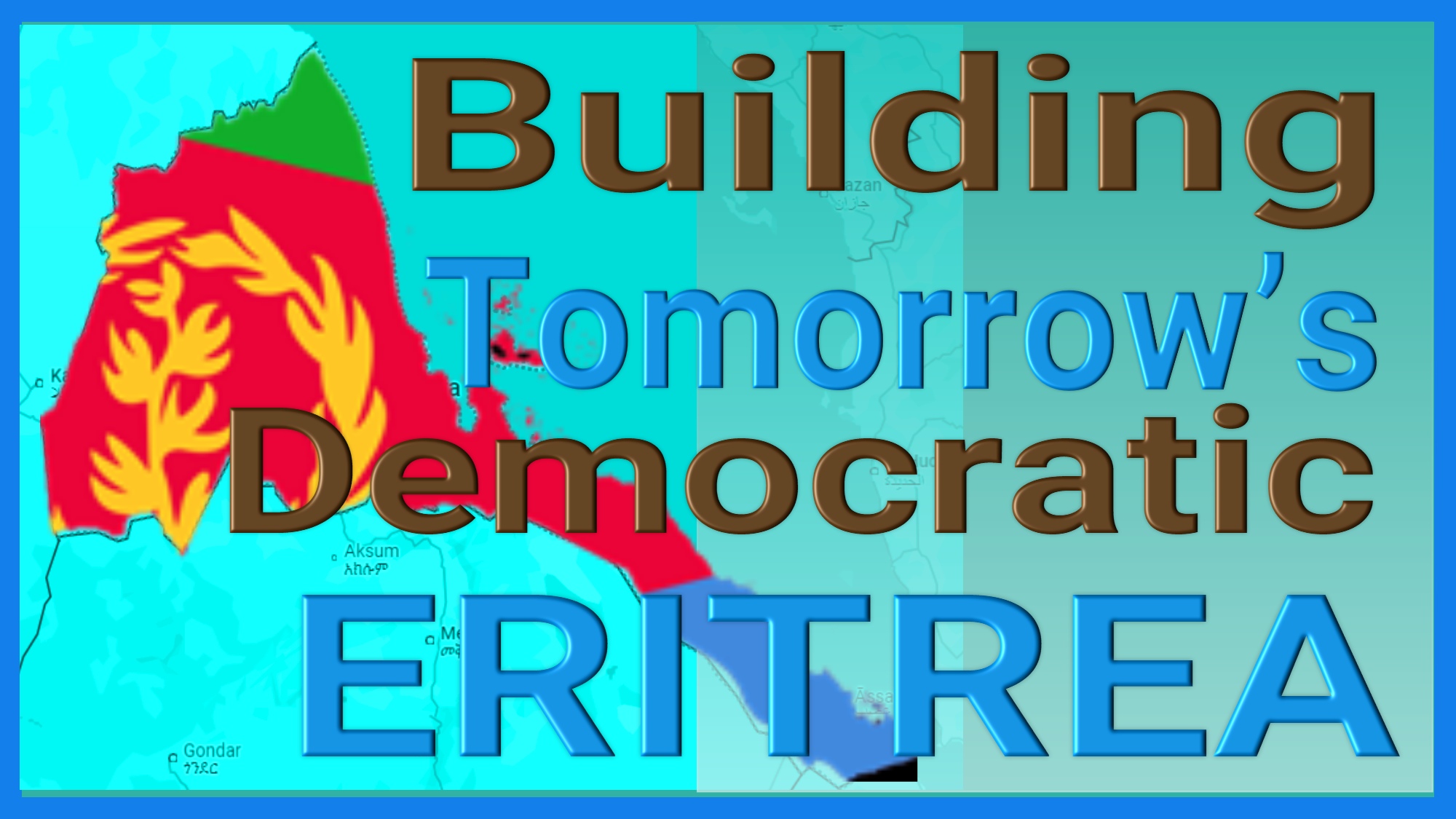
Building Tomorrow’s Democratic Eritrea Today Stage 2: An Eritrean Government in Exile (EGE),
by Dr. Negassi Hadgu.
Dedication
This manuscript is dedicated to all Eritreans striving to bring an end to, and dismantle, the unlawful, oppressive, and predatory PFDJ regime led by the callous Isaias Afwerki. To our unbreakable brothers and sisters inside Eritrea who defy tyranny, enduring the darkness of prison cells, the chains of forced labor, and the pain of exile in their own homeland, yet still hold onto the dream of justice, dignity, and freedom. And to the sacred memory of the generations who sacrificed everything for a nation worthy of their dreams.
Executive Summary
The Eritrean Government in Exile (EGE) represents a transformative step in the Eritrean people's struggle for freedom. As Stage 2 of a three-stage strategy, this manuscript outlines the institutional framework for a government-in-waiting designed to lead the struggle today and lay the foundation for a democratic, just, and inclusive federal Eritrea.
Building on Stage 1's call for strategic unity, the EGE embodies the principle of building tomorrow's Eritrea today. It introduces a structure that fundamentally rejects centralized power by embedding geographical federalism based on Eritrea’s nine historic Awrajas at its core.
Key elements include:
⮚ A Transitional National Charter to serve as the movement's moral and strategic compass.
⮚ An 81-Seat Council Assembly ensuring broad representation from regions, political parties and movements, and civil society.
⮚ A 9-Member Federal Executive Council (FEC), one representative from each Awraja, equal authority to all, and a rotating Coordinator, making one-man rule structurally impossible with one representative from each Awraja and a rotating chairperson, making one-man rule structurally impossible.
⮚ Nine Secretariats to operationalize governance and plan for national reconstruction.
⮚ A non-negotiable commitment to geographical federalism as the foundational principle for all participants.
The EGE is not just another opposition coalition; it is the collective heartbeat of our nation. It is the cornerstone upon which we will build a free, just, and inclusive Eritrea, hand in hand. The EGE serves as a bridge to Stage 3’s detailed constitutional blueprint for a post-PFDJ federal state, ensuring that no power vacuum or post-liberation conflict can derail our vision.
Introduction: A Credible Path from Authoritarianism to a Democratic Future
This document outlines a comprehensive and operational plan to guide our beloved nation, Eritrea, from the darkness of authoritarianism to the dawn of a stable, democratic, and inclusive future. Our people’s quest for freedom requires more than a destination; it demands a clear, credible, and actionable path. This strategy provides that path, unfolding in three interconnected stages designed to build momentum and ensure a successful transition.
Stage 1: Strategic Unity. The essential first step, as articulated in "From Unity to Action: A Strategic Blueprint for Liberating Eritrea," is to overcome the historical fragmentation of our opposition forces and forge a single, representative national body.
Stage 2: Transitional Governance. This manuscript details the second, operational stage: the establishment of the Eritrean Government in Exile (EGE). The EGE is designed to act as a legitimate government-in-waiting, capable of leading the struggle now and managing the transition to democracy.
Stage 3: Enduring Democracy. The final stage, as envisioned in "Beyond Tyranny: A Case for Geographical Federalism," is the creation of a constitutionally protected, geographically federal state that guarantees the rights and liberties of all Eritreans.
This manuscript, Building Tomorrow's Democratic Eritrea Today, is dedicated exclusively to Stage 2. It serves as the critical link between our strategic unity and our democratic destiny. It translates the call for a "Founding Congress" (Stage 1) into the concrete assembly detailed herein: the "National Convention for a Democratic Eritrea." By detailing the structure and function of the EGE, this manuscript ensures there will be no power vacuum or post-liberation conflict, providing a seamless and stable bridge from the tyranny of today to the free Eritrea of tomorrow.
The Urgency of Now: Learning from the Past and Seizing the Future
For too long, the Eritrean opposition has been defined by division, allowing the PFDJ regime to thrive on the narrative that there is no viable alternative. Past attempts at unity, while well-intentioned, often replicated the centralized power structures we seek to dismantle, failing to build the broad-based trust necessary for success.
The EGE is fundamentally different. It is designed to be the structural antidote to tyranny. At a time of regional instability and growing cracks within the regime itself, the need for a legitimate, organized, and prepared alternative has never been more critical. We cannot afford a sudden power vacuum; the foundations of a new Eritrea must be laid before the old one collapses.
PART I: The Guiding Principle and Prefiguring Our Future Freedom
We Eritreans are fighting not just against the PFDJ tyranny, but for a future of freedom, liberty, and justice. Therefore, the very methods we use in our struggle must embody the Eritrea we seek to create. This is the principle of prefigurative politics: building tomorrow's Eritrea today.
The founding principle of the EGE is a rejection of the top-down, centralized habits of the past. Instead, it is designed to be:
1. A Government-in-Waiting: Ready with policies, plans, and legitimate leadership to manage the transition and prevent chaos.
2. A Constituent Assembly in the Making: A forum where Eritreans practice the arts of federalism, power-sharing, and democratic debate.
3. A Symbol of Hope and Credibility: A unified body that demonstrates to Eritreans and the world that we are ready to govern ourselves democratically.
PART II: The Transitional National Charter
PART II: The Transitional National Charter
The Charter is the moral compass of our struggle for freedom, liberty, and justice. It is not a final constitution, but our binding promise to one another. It is the bedrock agreement that unites every participant under a shared set of non-negotiable principles.
Drafting and Ratification: The Charter will be drafted by a representative Preparatory Committee, including legal experts, elders, and delegates from diverse political and civic groups. It will then be debated, amended, and formally ratified at a National Convention for a Democratic Eritrea, thereby establishing it as the legitimate mandate of the entire movement.
Core Commitments of the Charter:
1. Upholding Universal Values: An absolute commitment to democracy, universal human rights, justice, gender equality, and the rule of law.
2. Constitutional Federalism: An irrevocable pledge to establish a federal system based on the nine historic Awrajas as the primary mechanism to decentralize power.
3. Nested Consociational Power-Sharing: A guarantee of multi-level power-sharing to ensure equitable representation and protect the rights of all communities.
4. A Clear Post-Liberation Roadmap: A commitment to an orderly transition that includes establishing a caretaker government, implementing transitional justice and reconciliation, convening a national constitutional convention, and holding free and fair elections.
5. Sunset Provisions: Upon the fall of the PFDJ regime, the EGE will transform into a Transitional Caretaker Government that includes individuals from inside the country. This government will serve for a maximum of 24 months post-liberation and will dissolve upon the inauguration of the first elected federal government.
PART II.B: The Federalism Consensus: A Non-Negotiable Foundation
The Transitional National Charter is not a menu of options; it is a binding compact. At its heart lies one unalterable commitment: the establishment of a geographical federal system based on Eritrea's nine historic Awrajas.
Why Geographical Federalism is Non-Negotiable
Eritrea's crisis stems directly from the absolute concentration of power. The PFDJ’s hyper-centralized state, ruled by one man, became the very instrument of our people's oppression. Any post-PFDJ order that maintains centralization, regardless of who is in control, will inevitably recreate the conditions for tyranny. Therefore, geographical federalism is not a mere political preference; it is the essential structural antidote to dictatorship.
The Inclusion Principle: Unity Within Clarity
The doors of the EGE are open to all democratic forces, provided they meet one essential criterion: Unequivocal acceptance of, and commitment to, the establishment of a geographical federal system based on Eritrea's nine historic Awrajas: Akele Guzay, Barka, Denkalia, Gash-Setit, Hamasien, Sahel, Semhar, Senhit, and Seraye.
Any group or individual who rejects this constitutional framework excludes themselves from participating.
What "Acceptance" Means in Practice
Joining the EGE requires:
1. Signing the Transitional National Charter.
2. Actively participating in federal structures, like the Awraja Caucuses.
3. Refraining from any parallel advocacy for a unitary state.
4. Committing to the constitutional process where federalism is the foundation, not a point of debate.
PART III: The EGE's Institutional Architecture
The EGE's structure is designed to distribute power, foster cooperation, and serve as a practical training ground for our future federal democracy.
A. The Council Assembly: The Parliament-in-Waiting
The Assembly is the supreme legislative and representative body of the EGE. Its 81 seats are allocated to ensure a balance of interest:
⮚ 27 Seats (3 per Awraja) for the Awraja Caucuses. This makes regional representation the largest single bloc.
⮚ 27 Seats for Credible Political Movements: Established political organizations with a demonstrable track record, identifiable membership or supporter base, and formal commitment to the Charter's principles.
⮚ 18 Seats for civil society organizations (youth, women and community).
⮚ 9 Seats for widely respected elders and community leaders who will serve as a source of wisdom and moral guidance.
The Awraja Caucuses: These are the engines of our future federalism. Delegates within the Assembly will also meet in their respective Awraja Caucuses to discuss issues from a regional perspective, nominate members for key committees, and ensure local concerns are addressed in all EGE policies. This structure ensures that no decision can be made without considering its impact on every region of Eritrea.
B. The Executive Committee: A 9-Member Federal Executive Council
The Executive Committee of the EGE is embodied by the Federal Executive Council (FEC), a collective leadership body designed to be the structural core of our rejection of authoritarian rule. The FEC ensures equal representation, shared authority, and rotating leadership, making the concentration of power in one individual structurally impossible
⮚ Composition: The FEC consists of nine members, one nominated from each of Eritrea's nine historic Awrajas. Each member holds equal authority within the Council.
⮚ Selection: Each Awraja Caucus nominates one individual, who must then be confirmed by a majority vote of the full Council Assembly.
⮚ Rotating Coordinator: The Council is chaired by a Coordinator, a role that rotates every 6 months according to a pre-determined sequence, ensuring no individual gains a permanent leadership position. The Coordinator’s duties are coordinating meetings, representing the Council in ceremonial and diplomatic functions, and facilitating consensus-building. The Coordinator has no extra executive powers beyond those of other members.
⮚ Decision-Making: The FEC strives for decision-making by consensus. Where consensus is not possible:
a) A simple majority (5 of 9) is required for routine matters.
b) A super-majority (6 of 9) is required for critical decisions, such as authorizing military action or approving major financial allocations.
These voting rules ensure that no important decision can be made unilaterally and that every region of Eritrea has a secure voice in the executive process.
⮚ Purpose and Principles: The Federal Executive Council (FEC) is not a symbolic leadership team; it is an operational and strategic hub for the EGE. Its structure:
1. Establishes a built-in safeguard against dictatorship by distributing executive power equally across all regions.
2. Models the federal and cooperative governance principles that will guide Eritrea after liberation.
3. Functions as a training ground for future federal leadership, ensuring that leaders gain experience in collaborative decision-making rather than personal rule.
C. The Nine Secretariats: Operational Arms of Governance
The EGE's operational capacity is managed through nine specialized Secretariats. Each is headed by a secretary appointed by the Federal Executive Council and confirmed by the Assembly. They function as a cabinet-in-waiting, ensuring the EGE is not just a symbolic entity but a functioning government.
1. Secretariat for Diplomacy and International Relations
⮚ Immediate Mandate: To serve as the official voice of the Eritrean democratic struggle and win the battle for international legitimacy. This involves building formal relationships with foreign governments and international bodies (UN, AU) to secure political recognition for the EGE, coordinate diplomatic efforts to isolate the PFDJ regime, and advocate for targeted sanctions.
⮚ Strategic Importance: This portfolio elevates our struggle from a domestic issue to an international cause, unlocking the political and financial support necessary to succeed while systematically dismantling the regime's standing in the world.
2. Secretariat for Information and Public Outreach
⮚ Immediate Mandate: To wage and win the information war against the PFDJ. This office is tasked with developing a sophisticated communication strategy to counter regime propaganda, managing all official EGE media channels to inform and mobilize Eritreans globally, and providing a consistent stream of truthful, credible, and inspiring information to break the regime's psychological grip.
⮚ Strategic Importance: The PFDJ regime survives on lies and fear. This portfolio is the antidote, building trust in the EGE and uniting our people behind a shared vision.
3. Secretariat for Finance and Resource Mobilization
⮚ Immediate Mandate: To secure the financial independence and sustainability of the liberation movement. This office is responsible for developing a transparent and accountable fundraising strategy, managing the EGE's budget, and conducting regular public audits.
⮚ Strategic Importance: A struggle without resources is merely a protest. This portfolio provides the fuel for all operations. Its commitment to absolute transparency is crucial for building trust with the diaspora and international partners, who are the primary funders of the liberation effort.
4. Secretariat for Constitutional Preparation
⮚ Immediate Mandate: To lay the legal and moral groundwork for a democratic Eritrea. While its long-term task is drafting constitutional frameworks based on the National Charter, its immediate role is to articulate the rule-of-law principles we are fighting for, proving our commitment to a nation of laws, not of men.
⮚ Strategic Importance: This is the ultimate expression of "prefiguring freedom." It ensures we will not face a post-liberation power vacuum and demonstrates our readiness to govern justly.
5. Secretariat for Transitional Justice
⮚ Immediate Mandate: To actively document the PFDJ's ongoing atrocities and build the case for future accountability. This includes creating secure mechanisms for testimony collection and outlining a rule-of-law-based process for holding high-level perpetrators accountable.
⮚ Strategic Importance: This portfolio is our solemn promise that suffering will not be forgotten. By cataloging crimes now, we delegitimize the regime on the world stage and help prevent cycles of revenge later, beginning the essential work of national healing.
6. Secretariat for Economic Planning and Reconstruction
⮚ Immediate Mandate: To develop strategies to counter the PFDJ’s economic lifelines and plan for Eritrea’s immediate post-liberation revival. This includes modeling a system of fiscal federalism and creating actionable plans for demobilization, food security, and mass job creation to be implemented upon liberation.
⮚ Strategic Importance: Political freedom is incomplete without economic opportunity. This portfolio provides a credible plan to move Eritrea from a collapsed state to a functioning economy, offering a powerful motivator for our people.
7. Secretariat for Defense
⮚ Immediate Mandate: To serve as the civilian link in the chain of command and ensure democratic oversight of all armed forces aligned with the EGE. This office will establish and supervise a Central Military Command (CMC), composed of representatives from all nine Awrajas, to unify operations under the full authority of the Presidential Council.
⮚ Strategic Importance: This portfolio institutionalizes civilian supremacy over the military from the outset. By creating a federally representative and legally accountable military command under the EGE Charter, it prevents the rise of a new military power center, protects against warlordism, and safeguards our future democracy.
8. Secretariat for the Interior and Homeland Security
⮚ Immediate Mandate: To plan for the establishment of public order and rights-respecting security services in a free Eritrea. This office will design the framework for a new national police service and intelligence agency that operate under a strict rule-of-law and human rights mandate, breaking definitively from the PFDJ's police state model.
⮚ Strategic Importance: By designing accountable security services now, we ensure that the tools of national security will serve the people, not oppress them.
9. Secretariat for Diaspora Affairs and Repatriation
⮚ Immediate Mandate: To mobilize the global diaspora into a unified, coordinated, and decisive force for liberation. This office will serve as the official liaison with diaspora organizations, lead global advocacy campaigns, and spearhead fundraising efforts. It will also create a database of diaspora expertise to be deployed for the struggle and for national reconstruction.
⮚ Strategic Importance: The diaspora is the financial, intellectual, and political engine of our struggle. This portfolio’s primary wartime function is to channel that power effectively. Its long-term vision for the voluntary, safe, and dignified repatriation of refugees provides a hopeful goal that fuels the present fight.
D. Accountability Mechanisms
1. The Arbitration and Ethics Committee: An independent body of respected elders and legal experts to mediate disputes and ensure adherence to the Charter.
2. The Preparatory and Vetting Committee: An impartial body tasked with overseeing the legitimate formation of the EGE, after which it will be dissolved.
PART IV: From Formation to Liberation: A Phased Roadmap
Phase 1: Formation and Ratification (Target: 6-9 months)
1. Convene the Preparatory and Vetting Committee.
2. Draft and finalize the Transitional National Charter.
3. Host the National Convention to ratify the Charter and officially launch the EGE.
4. Elect the first Council Assembly and the 9-Member Presidential Council.
Phase 2: Consolidation and International Engagement (Target: 12 months)
1. Establish the nine Secretariats and their operational procedures.
2. Launch a diplomatic offensive to seek formal recognition and support.
3. Mobilize the Eritrean people through a coordinated media and outreach campaign.
Phase 3: Preparing for a Democratic Transition (Ongoing)
1. Develop detailed post-liberation policies for economic reconstruction, justice, and constitutional reform.
2. Strengthen secure networks with democratic elements inside Eritrea.
Phase 4: Post-Liberation Transition (0-24 months after regime collapse)
1. Formation of a Caretaker Government: The EGE will reconstitute inside Eritrea to form the Transitional Caretaker Government, tasked with overseeing the democratic transition.
2. Initiation of Transitional Justice and Reconciliation: The government will promptly establish a formal process for transitional justice and national reconciliation to address past atrocities and lay the groundwork for a just society.
3. Convening of a National Constitutional Convention: A national convention to draft the new constitution will be convened within six months of the transition's start.
4. Administration of Free and Fair Elections: Free, fair, and transparent national elections will be administered within 18 months of the transition's start.
5. Completion of Mandate: The Transitional Caretaker Government will formally dissolve upon the inauguration of the first elected federal government, ensuring a complete and orderly transfer of power.
PART V: Why Federalism Unites, Not Divides
Critics will claim that federalism will "divide" Eritrea. This is a false narrative used by tyrants to hoard power.
1. The PFDJ's forced centralization has not created unity; it has created resentment, exodus, and silent suffering.
2. True unity is built on mutual respect and shared power. Geographical federalism gives every community a direct stake in the nation's success.
3. By giving each Awraja equal representation in key structures, our model mathematically prevents the domination of smaller communities by larger ones, making Eritrea stronger and more just for all.
Conclusion: From a Prototype of Freedom to a Reborn Nation
The PFDJ's tyranny has sustained itself not on strength, but on the poison of our division. It has fed on the fear that its collapse would unleash chaos.
This proposal is our declaration of an end to that fear. The Eritrean Government in Exile represents the definitive, strategic, and organized answer to the threat of chaos. As a concept, it is more than an opposition coalition; it is the living, breathing prototype of the free, federal, and just Eritrea for which our martyrs dreamed and our people deserve.
To our People: Your liberation will not be a leap into the unknown. It will be an orderly transition to a system where your voice matters, your region is empowered, and your rights are sacred. Our hope is now organized.
To the PFDJ Regime: Your strategy of dividing us has failed. In your place will now stands a legitimate, united, and capable alternative, ready to lead and prepared to hold you accountable under the rule of law.
To the World: Witness our discipline, recognize our legitimacy, and stand with us. Our liberation will usher in the rebirth of a nation that is democratic, committed to human rights, and prepared to be a responsible partner for peace and stability in the Horn of Africa.
The work ahead is hard, but our purpose is clear, and our unity is our strength. We will transform Eritrea from a land of fear into a nation of freedom and liberty, one principled decision and one courageous action at a time.
References
- 1. Hadgu, N. From Unity to Action: A Strategic Blueprint for Liberating Eritrea. SNITNA. Retrieved from:
https://snitna.com/articles/from-unity-to-action-a-strategic-blueprint-for-liberating-eritrea.php - 2. Hadgu, N.Beyond Tyranny: A Case for Geographical Federalism in a Post-PFDJ Eritrea. SNITNA. Retrieved from:
https://snitna.com/articles/beyond-tyranny-a-case-for-geographical-federalism-in-a-post-pfdj-eritrea.php
Victory and glory to the Eritrean people!
God Bless Eritrea and its people!
A fellow Eritrean committed to freedom and justice for all,
Dr. Negassi Hadgu,
November 10, 2025
Read in PDF ብ'PDF ንምንባብ ኣብዚ ጠውቑ።
See also more articles by Dr. Negassi Hadgu
ካልኦት ብ'ዶር ነጋሲ ሓድጉ ዝተጻሕፉ ጽሑፋት ኣብ ታሕቲ ተወከሱ:-
 ብተወሳኺ፡ ነቲ ኣብ ዩቱብ ቻነል ዝወጽእ ሓበሬታ፡ ንመትከላት ማሕበራዊ መትከላት ዩቱብ (YouTube Community Guidelines)፡ እናኽበረ የውጽእ። ስኒትና፡ ብዝከኣሎ መጠን፡ ነዚ መትከላት'ዚን ናይ ሃገርና ኤርትራን ህዝባን ክዉንነትን ምርኩስ ገይሩ፡ ኣብ መርበብ ሓበሬታኡ ስኒትና (www.snitna.com) ክውጽእ ዝግብኦ ሓበሬታ እናመመየ ከውጽእ ይህቅንን ይጽዕርን። እዚ ስራሕዚ ምሉእ ዓወት ንክህልዎ ድማ ብዓቢኡ፡ ግቡእ ኣጠቓቕማ ተሳተፍቲን ምትሕብባርን ምስዝህሉ ኢዩ። ስለዚ፡ ነዚ መትከላት ዚ ንምኽባር ንኹሉ ተገልጋላይ'ዚ መርበብዚ ንጽውዕ። ዝኾነ ሃሳዪ ተርእዮታት ምስዘጋጥሙ፡ ቅሬታኹም ወይ ርእይቶኹም ብኢመይል ኣድራሻና ኣቢልኩም ክትልእኩልና ንላቦ።
 See also Related / ምስዚ ዝተኣሳሰር ሓበሬታ፡-
- Snitna YouTube - ስኒትና ዩቱብ ቻነል።
- Snitna Network and Sinit Seminars Directory. ብ`ስኒትና ከምኡ`ውን ስኒት ዝተኻየዱ ሰሚናራት።
- Snitna FaceBook - ስኒትና ፌስቡክ።
- Sinit YouTube - ስኒት ዩቱብ ቻነል።
- ዘተ ንሓባራዊ ንቕሓት
Dialogue for Common Awareness
مجموعة الحوار للوعي المشترك - ሌላ ምስ
ፖለቲካዊ ሰልፍታትን ህዝባዊ ምንቅስቓሳትን ኤርትራ፡
Eritrean Political parties and Civic movements.s
مقدمة في الأحزاب السياسية والحركات المدنية الإريترية - BUILDING DEMOCRACY IN ERITREA - ህንጸት ዲሞክራሲ ኣብ ኤርትራ بناء الديمقراطية في إريتريا
- ሕግን ሕብረተሰብን - Law and Society.
- ኣስተምህሮ፡ መስርሕ ምንዳፍ ቅዋም ኤርትራ - The Eritrean Constitution Making Process
Seminar by Dr Bereket Habte selassie. ኣስተምህሮ፡ ብ`ዶር. በረኸት ሃብተስላሰ። - ሲምፖዝዩም ኤርትራ (Eri-Platform: 2018 - 2020)
- ዋዕላ ህንጸት ዲሞክራሲ ኣብ ኤርትራ Building Democracy in Eritrea Conference (Eritrea Focus: 2019 - 2020)
- Enough is enough! ይኣክል ምልኪ! ማዕበል ድምጺ ህዝቢ لقد طفح الكيل
- 1993, Eritrean independence referendum Results
ታሪኻዊ ውጽኢት ረፈረንዱም ኤርትራ 1993. - ሃገራዊ ቻርተር ኤርትራ - ኣብ 3ይ ጉባኤ ህ.ግ.ሓ.ኤ: ዝጸደቐ (ናቕፋ 10 - 16 ለካቲት 1994)።
- PFDJ NATIONAL CHARTER Adopted by the 3rd Congress of the EPLF/PFDJ Naqfa, February 10-16, 1994.
- ንዝኽሪ ግዳያት ዲክታቶሪያዊ ምሕደራ ኤርትራ። In memory of Victims of Dictatorial Administration in Eritrea.
- G-15:- ቅልዕቲ ወረቐት ናብ ህዝቢ ኤርትራ፡ ኣገደስቲ እዋናውያን ጉዳያት፡ (ኣስመራ፡ ነሓሰ 3፡ 2001)
- G-15:-Open Letter To The People of Eritrea (Asmara, August 3, 2001)
- G-15:-ቅሉዕ መልእኽቲ ናብ ኩሎም ኣባላት ህግደፍ
- G-15:-Open Letter to All PFDJ Members (Audio) ቅሉዕ መልእኽቲ ናብ ኩሎም ኣባላት ህግደፍ (ብድምጺ)
- G-15:-Open Letter to All PFDJ Members
- GI: ህጹጽ ጻውዒት ንኹሎም ኣብ መላእ ኵርናዓት ዓለም ዝርከቡ ኤርትራውያን። An Urgent Call to All Eritreans Worldwide. المبادرة العالمية لتمكين الحركة الشعبية الاريترية
- ድምጽና (Our Voice)
- መደብ ንጋባእ ENGAGE ERITREA!
- Advice for All Eritreans ምኽሪ ንኹሎም ኤርትራውያን
- UN Human Rights Council - Human Rights in Eritrea (Website) / ናይ ውሕሃ ቤትምኽሪ ሰብኣዊ መሰላት - ኩነታት ሰብኣዊ መሰላት ኣብ ኤርትራ፡ (Website)
- UN Human Rights Council - Human Rights in Eritrea (YouTube) / ናይ ውሕሃ ቤትምኽሪ ሰብኣዊ መሰላት - ኩነታት ሰብኣዊ መሰላት ኣብ ኤርትራ፡ (YouTube)
- Human Rights in Eritrea / ኩነታት ሰብኣዊ መሰላት ኣብ ኤርትራ፡
- UN - Commission of inquiry on Eritrea / ናይ ውሕሃ መርማሪት ኮሚሽን ሰብኣዊ መሰላት ኤርትራ፡
- Mike Smith / ሚስተር ማይክ ስሚዝ፡ ኣቦ ወንበር መርማሪት ኮሚሽን ሰብኣዊ መሰላት ኤርትራ፡
- Also see: "UN - COI on Eritrea / ናይ ውሕሃ መርማሪት ኮሚሽን ሰብኣዊ መሰላት ኤርትራ፡
- UN COMMISSION OF INQUIRY ERITREA (COI-ERITREA) And POPULAR RESPONSES
- ጸብጻብ መርማሪት ኮሚሽን ሰብኣዊ መሰላት ኤርትራ፡ ህዝባዊ ግብረ-መልሲን
- ጸብጻብ መርማሪት ኮምሽን ኵነታት ሰብኣዊ መሰላት ኣብ ኤርትራ – ዘይወግዓዊ ትርጉም (ብትግርኛ)