

20/11/2025 23:39 PM
A Different Path for Eritrea:
Critiquing the Eritrean Government-in-Exile Proposal – A Critical Assessment
By Dr. Gebre Gebremariam
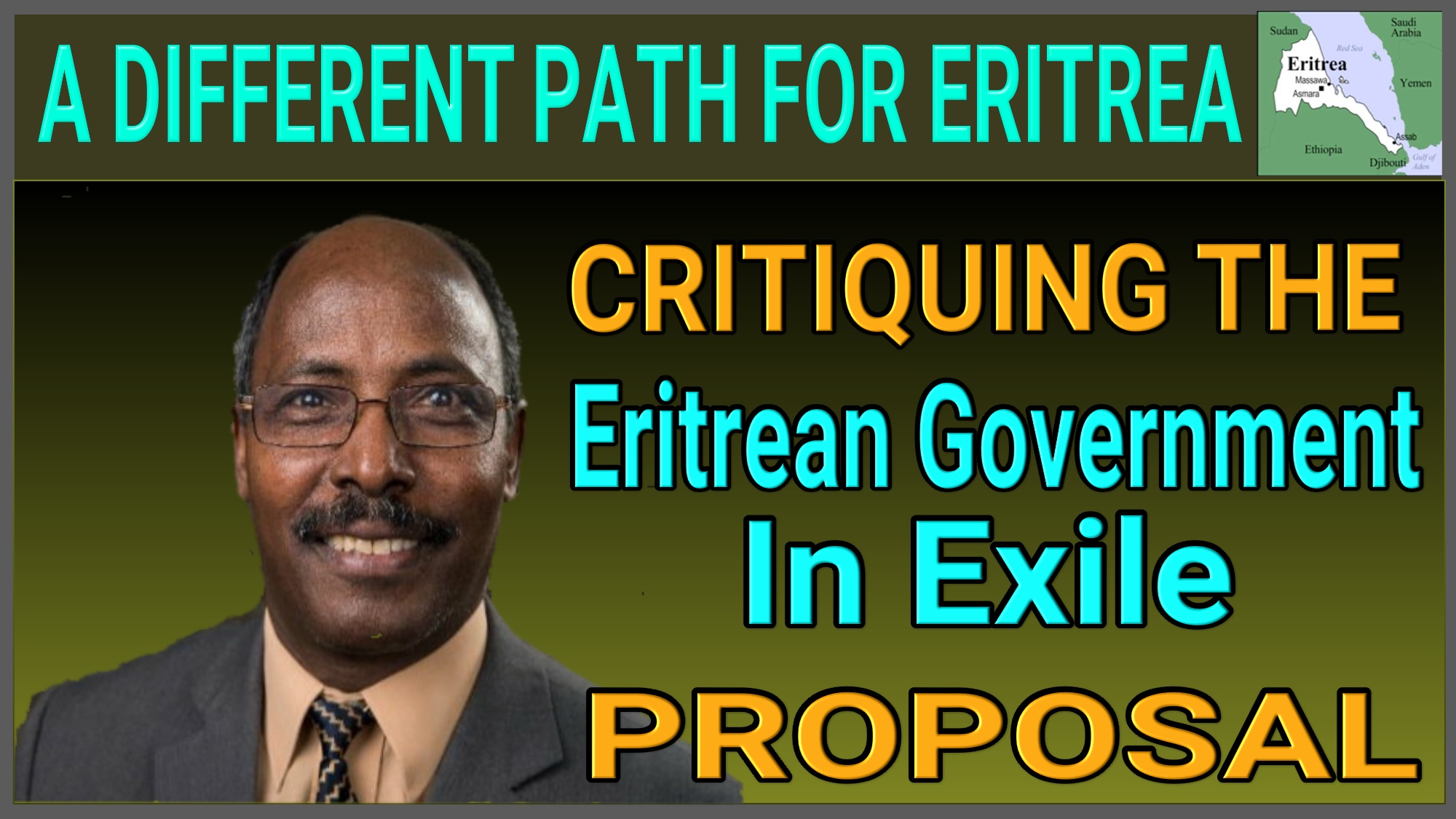
A Different Path for Eritrea:
Critiquing the Eritrean Government-in-Exile Proposal – A Critical Assessment
Dr. Gebre Gebremariam
Dr. Negassi Hadgu's "Building Tomorrow’s Democratic Eritrea Today Stage 2: An Eritrean Government in Exile (EGE)"1 presents a meticulously structured and aspirational blueprint for a post-PFDJ Eritrea. Its core intent is to prefigure a democratic future by embedding power-sharing, accountability, and a commitment to human rights within its very foundation.
However, a deeper critical analysis, particularly when informed by Dr. Gebre Gebremariam's critiques2, compels a more direct and assertive conclusion: that Dr. Hadgu’s proposal, despite its well-intentioned and detailed articulation of democratic principles, ultimately falters in its chosen foundational structure, offering no distinct merit that a more feasible alternative cannot provide, and indeed, introducing significant liabilities.
What Looks Good... But Isn't Unique
Dr. Hadgu's EGE proposal is laudable for its comprehensive embrace of what can be termed universal democratic desiderata for a post-authoritarian state. These include:
1. Commitment to Democratic Principles and Prefigurative Politics: The dedication to building "tomorrow's Eritrea today" through practices of power-sharing, accountability, and a firm commitment to universal human rights, justice, gender equality, and the rule of law.
2. Structural Rejection of Centralized Power: The design of an 81-Seat Council Assembly and a 9-Member Federal Executive Council (FEC) with equal authority and a rotating Coordinator, aims to structurally prevent one-man rule.
3. Comprehensive Operational Framework: The detailed Nine Secretariats (Diplomacy, Information, Finance, Constitutional Preparation, Transitional Justice, Economic Planning, Defense, Interior, Diaspora Affairs) outline a proactive readiness for governance.
4. Accountability Mechanisms: The inclusion of an Arbitration and Ethics Committee and a Preparatory and Vetting Committee for internal integrity and dispute resolution.
5. Clear Transitional Roadmap: The four-phase roadmap (Formation, Consolidation, Preparing for Transition, Post-Liberation Transition) provides a timeline for a Transitional Caretaker Government, constitutional convention, and free and fair elections.
These elements, taken individually, represent sound principles for any democratic transition. However, the crucial point raised is that these are not unique merits of Dr. Hadgu's proposed federalist EGE; they are fundamental components of any genuinely democratic state structure, including a democratic, devolved unitary state. A robust devolved unitary system can equally commit to human rights, establish strong accountability mechanisms, design power-sharing arrangements at local and national levels (e.g., through parliamentary systems with checks and balances), outline a transitional roadmap, and prepare for constitutionalism and justice.
Therefore, Dr. Hadgu's careful articulation of these democratic principles, while vital for Eritrea's future, does not, in itself, validate his specific federalist framework as the superior or even necessary path. Instead, these merits are generic to democratic governance and can be effectively incorporated into a more appropriate structural design.
The Real Problem: Geographical Federalism and Its Risks
The core of Dr. Hadgu's specific proposal, and its point of fundamental divergence from Dr. Gebremariam's perspective, is the unwavering commitment to geographical federalism3 based on Eritrea's nine historic Awrajas as a non-negotiable principle. It is this very foundation that Dr. Gebremariam rigorously dismantles, arguing it is a "wrong medicine for a wrong diagnosis."4
Dr. Gebremariam’s critiques, as previously outlined, are not merely academic points but highlight profound practical and geopolitical liabilities:
1. Misunderstanding the Core Issue: Dr. Hadgu implicitly positions federalism as the primary antidote to tyranny. Dr. Gebremariam convincingly argues that the true problem is the absence of substantive democracy, an independent judiciary, and constitutional rule. Federalism is a form of governance, not a guarantee of good governance. Without the underlying democratic culture and institutions, a federal structure could simply decentralize authoritarianism or create new arenas for elite capture, as seen in other federal states.
2. Impractical Divisions: The idea of neatly dividing Eritrea into nine Awraja-based federal units is highly problematic. Dr. Gebremariam highlights the "overlapping social markers (cleavages) and intermingling populations," making such demarcation contentious and potentially disruptive. This directly undermines the supposed "unity" federalism would foster, risking the creation of new minority issues and reopening old wounds.
3. Non-Viability of Smaller Units: Eritrea's diverse ethno-linguistic groups vary significantly in size and resources. Creating numerous federal units, particularly for smaller groups, would likely result in entities lacking the "critical mass in terms of population, economic resources, and administrative capacity to be truly viable." This would lead to dependency on central transfers, undermining regional autonomy and creating fiscal instability, directly contradicting the stated goal of empowering regions.
4. Risk of Fragmentation and Instability: This is perhaps the most critical liability. In the highly volatile Horn of Africa, formally institutionalizing divisions along ethno-geographic lines through federalism carries immense risk. Dr. Gebremariam warns that such a structure could "weaken national cohesion and foster centrifugal forces," potentially empowering sub-national identities to challenge national unity and opening avenues for external interference, drawing parallels to the tragic disintegration of Yugoslavia. For a nation that fought for its unity, this is an unacceptable risk.
The Wrong Prescription
When assessed with the understanding that the positive attributes of Dr. Hadgu's proposal (power-sharing, human rights, accountability, etc.) are universally applicable democratic principles rather than unique merits of geographical federalism, the argument for his specific federalist approach significantly weakens.
Furthermore, the compelling and well-substantiated arguments from Dr. Gebremariam about the impracticality, non-viability, and severe geopolitical risks associated with imposing geographical federalism on Eritrea transform Dr. Hadgu's "challenged merits" into inherent liabilities.
Therefore, as a comprehensive "path to democratic Eritrea," Dr. Hadgu's proposal for an Eritrean Government-in-Exile founded on geographical federalism should be rejected. While the spirit of his democratic aspirations and the details of his institutional framework for accountability and governance are commendable and should inform any future transitional planning, the specific structural choice of geographical federalism is a "wrong medicine for a wrong diagnosis." It offers no distinct advantage over a democratic, devolved unitary state in achieving genuine democracy, justice, and stability, while simultaneously introducing profound risks of fragmentation and instability.
The focus for Eritrean democratic forces should instead pivot towards building robust democratic institutions, cultivating a culture of the rule of law, and ensuring comprehensive protection of rights within a more stable and unified democratic, devolved unitary state, as argued by Dr. Gebremariam. This path provides the same, if not greater, capacity for power-sharing, accountability, and human rights protection, without incurring the significant and potentially devastating risks inherent in geographical federalism for Eritrea.
Read in PDF ብ'PDF ንምንባብ ኣብዚ ጠውቑ።
--------
- References:
- 1-Building Tomorrow’s Democratic Eritrea Today
- 2-https://eritreahagerey.com/wp-content/uploads/2025/11/The-Eritrean-Dilemma_the-non-viability-of-Government-in-Exile.pdf
- 3-Beyond Tyranny: A Case for Geographical Federalism in a Post-PFDJ Eritre
- 4-https://eritreahagerey.com/wp-content/uploads/2025/10/Beyond-Federalism_A-Critique.pdf
End.
You may also want to see these, by Dr Gebre Gebremariam:
- UNCHAINING ERITREA: Breaking the Silence That Enabled Dictatorship in Eritrea. Part I.
- UNCHAINING ERITREA: Breaking the Silence That Enabled Dictatorship in Eritrea. Part II.
- Eritrea Under Issaias:Voluntary Servitude or Coerced Silence?
Snitna Network Seminar: On Saturday, 19 July 2025.
Topic:
The constitutional models.
መንግስታዊ ስርዓታት
النموذج الدستوري
Panellists on Thematic Topics ተዛተይቲ:-
Decentralized model: Panelist: Judge Habteab Yemane
Federal model: Panelist: Dr Mohammed Kheir Omer
Unitary model: Panelist: Prof Kidane Mengsteab
Moderator: Dr Mebrahtu Ateweberhan
Part-1 of 4:
Part-2 of 4:
Part-3 of 4:
Part-4 of 4:
See also more articles from Dr Gebre Gebremariam:
- ምስ ዶ/ር ገብረመስቀል ገብረማሪያም ዝተገብረ ዕላላትን፡ ዝተዋህበ ኣስተምህሮኣዊ ሰሚናራትን ኣብ ዝተፈላለዩ እዋናት።
- ዩቱብ ቻነል ዶር ገብረ ገብረማሪያም Dr Gebre Gebremariam Youtube channel
- ወብሳይት ዶር ገብረ ገብረማሪያም Dr Gebre Gebremariam Website
 ብተወሳኺ፡ ነቲ ኣብ ዩቱብ ቻነል ዝወጽእ ሓበሬታ፡ ንመትከላት ማሕበራዊ መትከላት ዩቱብ (YouTube Community Guidelines)፡ እናኽበረ የውጽእ። ስኒትና፡ ብዝከኣሎ መጠን፡ ነዚ መትከላት'ዚን ናይ ሃገርና ኤርትራን ህዝባን ክዉንነትን ምርኩስ ገይሩ፡ ኣብ መርበብ ሓበሬታኡ ስኒትና (www.snitna.com) ክውጽእ ዝግብኦ ሓበሬታ እናመመየ ከውጽእ ይህቅንን ይጽዕርን። እዚ ስራሕዚ ምሉእ ዓወት ንክህልዎ ድማ ብዓቢኡ፡ ግቡእ ኣጠቓቕማ ተሳተፍቲን ምትሕብባርን ምስዝህሉ ኢዩ። ስለዚ፡ ነዚ መትከላት ዚ ንምኽባር ንኹሉ ተገልጋላይ'ዚ መርበብዚ ንጽውዕ። ዝኾነ ሃሳዪ ተርእዮታት ምስዘጋጥሙ፡ ቅሬታኹም ወይ ርእይቶኹም ብኢመይል ኣድራሻና ኣቢልኩም ክትልእኩልና ንላቦ።
 See also Related / ምስዚ ዝተኣሳሰር ሓበሬታ፡-
- Snitna YouTube - ስኒትና ዩቱብ ቻነል።
- Snitna Network and Sinit Seminars Directory. ብ`ስኒትና ከምኡ`ውን ስኒት ዝተኻየዱ ሰሚናራት።
- Snitna FaceBook - ስኒትና ፌስቡክ።
- Sinit YouTube - ስኒት ዩቱብ ቻነል።
- ዘተ ንሓባራዊ ንቕሓት
Dialogue for Common Awareness
مجموعة الحوار للوعي المشترك - ሌላ ምስ
ፖለቲካዊ ሰልፍታትን ህዝባዊ ምንቅስቓሳትን ኤርትራ፡
Eritrean Political parties and Civic movements.s
مقدمة في الأحزاب السياسية والحركات المدنية الإريترية - BUILDING DEMOCRACY IN ERITREA - ህንጸት ዲሞክራሲ ኣብ ኤርትራ بناء الديمقراطية في إريتريا
- ሕግን ሕብረተሰብን - Law and Society.
- ኣስተምህሮ፡ መስርሕ ምንዳፍ ቅዋም ኤርትራ - The Eritrean Constitution Making Process
Seminar by Dr Bereket Habte selassie. ኣስተምህሮ፡ ብ`ዶር. በረኸት ሃብተስላሰ። - ሲምፖዝዩም ኤርትራ (Eri-Platform: 2018 - 2020)
- ዋዕላ ህንጸት ዲሞክራሲ ኣብ ኤርትራ Building Democracy in Eritrea Conference (Eritrea Focus: 2019 - 2020)
- Enough is enough! ይኣክል ምልኪ! ማዕበል ድምጺ ህዝቢ لقد طفح الكيل
- 1993, Eritrean independence referendum Results
ታሪኻዊ ውጽኢት ረፈረንዱም ኤርትራ 1993. - ሃገራዊ ቻርተር ኤርትራ - ኣብ 3ይ ጉባኤ ህ.ግ.ሓ.ኤ: ዝጸደቐ (ናቕፋ 10 - 16 ለካቲት 1994)።
- PFDJ NATIONAL CHARTER Adopted by the 3rd Congress of the EPLF/PFDJ Naqfa, February 10-16, 1994.
- ንዝኽሪ ግዳያት ዲክታቶሪያዊ ምሕደራ ኤርትራ። In memory of Victims of Dictatorial Administration in Eritrea.
- G-15:- ቅልዕቲ ወረቐት ናብ ህዝቢ ኤርትራ፡ ኣገደስቲ እዋናውያን ጉዳያት፡ (ኣስመራ፡ ነሓሰ 3፡ 2001)
- G-15:-Open Letter To The People of Eritrea (Asmara, August 3, 2001)
- G-15:-ቅሉዕ መልእኽቲ ናብ ኩሎም ኣባላት ህግደፍ
- G-15:-Open Letter to All PFDJ Members (Audio) ቅሉዕ መልእኽቲ ናብ ኩሎም ኣባላት ህግደፍ (ብድምጺ)
- G-15:-Open Letter to All PFDJ Members
- GI: ህጹጽ ጻውዒት ንኹሎም ኣብ መላእ ኵርናዓት ዓለም ዝርከቡ ኤርትራውያን። An Urgent Call to All Eritreans Worldwide. المبادرة العالمية لتمكين الحركة الشعبية الاريترية
- ድምጽና (Our Voice)
- መደብ ንጋባእ ENGAGE ERITREA!
- Advice for All Eritreans ምኽሪ ንኹሎም ኤርትራውያን
- UN Human Rights Council - Human Rights in Eritrea (Website) / ናይ ውሕሃ ቤትምኽሪ ሰብኣዊ መሰላት - ኩነታት ሰብኣዊ መሰላት ኣብ ኤርትራ፡ (Website)
- UN Human Rights Council - Human Rights in Eritrea (YouTube) / ናይ ውሕሃ ቤትምኽሪ ሰብኣዊ መሰላት - ኩነታት ሰብኣዊ መሰላት ኣብ ኤርትራ፡ (YouTube)
- Human Rights in Eritrea / ኩነታት ሰብኣዊ መሰላት ኣብ ኤርትራ፡
- UN - Commission of inquiry on Eritrea / ናይ ውሕሃ መርማሪት ኮሚሽን ሰብኣዊ መሰላት ኤርትራ፡
- Mike Smith / ሚስተር ማይክ ስሚዝ፡ ኣቦ ወንበር መርማሪት ኮሚሽን ሰብኣዊ መሰላት ኤርትራ፡
- Also see: "UN - COI on Eritrea / ናይ ውሕሃ መርማሪት ኮሚሽን ሰብኣዊ መሰላት ኤርትራ፡
- UN COMMISSION OF INQUIRY ERITREA (COI-ERITREA) And POPULAR RESPONSES
- ጸብጻብ መርማሪት ኮሚሽን ሰብኣዊ መሰላት ኤርትራ፡ ህዝባዊ ግብረ-መልሲን
- ጸብጻብ መርማሪት ኮምሽን ኵነታት ሰብኣዊ መሰላት ኣብ ኤርትራ – ዘይወግዓዊ ትርጉም (ብትግርኛ)